
Understanding Dehumidifier Dryers
What is a Dehumidifier Dryer?
In the intricate dance of maintaining a healthy indoor environment, a dehumidifier dryer emerges as an unsung hero—an appliance that combines the functions of moisture control and drying with precision. Unlike traditional dryers or dehumidifiers alone, this innovative device actively removes excess humidity while simultaneously drying clothes, preserving the integrity of fabrics and preventing mold growth. Its dual purpose makes it an essential tool in South African homes where humidity fluctuations can challenge comfort and safety.
A dehumidifier dryer operates on a straightforward principle: it extracts moisture from the air, creating a drier, more breathable atmosphere. This process is especially beneficial in climates prone to high humidity, where dampness can lead to subtle but persistent health risks. For those seeking efficiency, understanding the core functioning of a dehumidifier dryer reveals a device that seamlessly integrates moisture extraction with drying capabilities, offering a holistic approach to indoor air quality.
To appreciate its versatility, consider these features:
- Energy-efficient operation tailored to South African households
- Automatic humidity sensors for optimal moisture control
- Multi-functional design combining dehumidification and drying
In essence, a dehumidifier dryer is more than a convenience—it’s a guardian of health, safety, and comfort, embodying a silent promise to improve the quality of everyday life amidst the unpredictable climate challenges of South Africa. Such devices are redefining what it means to live in harmony with one’s environment, offering a glimpse into a future where humidity no longer dictates our well-being.
How Does a Dehumidifier Dryer Work?
Understanding how a dehumidifier dryer works reveals a fascinating interplay between science and daily life. In regions where humidity can subtly erode comfort and health, this device acts as both guardian and innovator. Unlike traditional dryers that rely solely on heat, a dehumidifier dryer employs a clever process to extract moisture directly from the air, creating a more inhospitable environment for mold, mildew, and bacteria.
The core operation involves a continuous cycle of air intake, moisture removal, and air recirculation. Air is drawn into the unit and passes over cold coils—causing the moisture to condense out. This condensed water is then collected in a reservoir or drained away automatically. Meanwhile, the drier air is reheated and expelled back into the room, maintaining optimal humidity levels. This dual action—moisture extraction paired with drying—makes the dehumidifier dryer a versatile device tailored for South African homes facing fluctuating climate conditions.
For those wondering about its efficiency, consider this: a dehumidifier dryer often integrates automatic humidity sensors that fine-tune its operation. This ensures the device only works when necessary, conserving energy and maintaining a comfortable environment with minimal effort. By seamlessly combining dehumidification and drying, the dehumidifier dryer becomes an essential component in preserving fabric integrity and indoor air quality, especially in the unpredictable South African climate.
Key Components and Technology
At the heart of every dehumidifier dryer lies a symphony of precision-engineered components that transform moisture into a whisper of vapor. These key elements work in harmony, orchestrating an effortless dance of dehumidification and drying. The compressor, often regarded as the powerhouse, drives the refrigeration cycle, while cold coils serve as the silent sentinels—condensing dampness with poetic grace. It’s this delicate balance that allows a dehumidifier dryer to extract excess humidity while preserving the integrity of fabrics and indoor air quality.
Central to this technological marvel are sensors and controls that act as vigilant guardians, continuously monitoring humidity levels. Their role is vital—they ensure the device operates only when necessary, conserving energy and maintaining comfort. The process becomes a seamless cycle of air intake, moisture removal, and recirculation, which can be summarized as:
- Air is drawn into the unit through a powerful fan.
- Moisture is captured as air passes over cold coils, where condensation occurs.
- The water collects in a reservoir or drains automatically, never disrupting the flow.
- Reheated, dry air is expelled back into the room, restoring balance and comfort.
The technology within a dehumidifier dryer is a testament to innovation—combining refrigeration, hygrometry, and airflow management into a single, elegant device. Its internal components are not merely mechanical parts but vital actors in a performance that safeguards your home from the relentless assault of humidity, especially in South Africa’s capricious climate. Every element, from the compressor to the control sensors, plays a part in crafting an environment that’s healthier, more comfortable, and undeniably smarter.
Benefits of Using a Dehumidifier Dryer
Moisture Control and Mold Prevention
In environments prone to high humidity, the presence of excess moisture can silently wreak havoc on homes and businesses alike. A dehumidifier dryer offers a formidable solution, seamlessly integrating moisture control with drying capabilities to create healthier, more comfortable spaces. The real magic lies in its ability to prevent mold growth, a silent invader that lurks in damp corners and can compromise indoor air quality. By maintaining optimal humidity levels, a dehumidifier dryer ensures that your living or working space remains crisp, fresh, and free from the telltale signs of mold and mildew.
Moreover, a dehumidifier dryer extends its benefits beyond simple drying. It actively curtails the conditions that foster mold proliferation, which is particularly vital in South Africa’s humid coastal regions. Not only does this safeguard the structural integrity of buildings, but it also preserves the longevity of furniture, clothing, and electronics. For homeowners seeking a comprehensive approach to moisture management, investing in a dehumidifier dryer is a strategic move that marries practicality with peace of mind.
Consider these key advantages:
- Enhanced indoor air quality by reducing mold spores and dust mites
- Protection of property and belongings from moisture-related deterioration
- Energy-efficient drying, saving both time and electricity
- Consistent humidity control that adapts to changing weather conditions
Energy Efficiency and Cost Savings
In a world where energy costs continue to climb, maximizing efficiency has never been more crucial. A dehumidifier dryer offers a smart solution by combining moisture control with energy-efficient drying. Unlike traditional methods, which can waste electricity and take longer, modern dehumidifier dryers are designed to optimize power use, saving you money month after month.
One of the standout benefits of a dehumidifier dryer is its ability to adapt to fluctuating humidity levels. This means it operates only when necessary, reducing unnecessary energy consumption. For households and businesses in South Africa’s humid coastal regions, this smart technology ensures that you’re not just drying clothes or dehumidifying a space but doing so in a cost-effective manner.
Additionally, the long-term savings extend beyond electricity bills. By preventing mold growth and moisture damage, a dehumidifier dryer reduces the need for costly repairs and replacements of furniture, electronics, and structural elements. It’s a practical investment that pays for itself by safeguarding your property while keeping energy use minimal.
- Lower energy bills due to optimized operation
- Reduced maintenance costs by preventing mold and moisture-related damage
- Extended lifespan of belongings and building materials
With rising energy prices and increasing awareness of sustainable living, choosing a dehumidifier dryer makes both economic and environmental sense. It’s not just about drying clothes or controlling humidity—it’s about making smarter choices that benefit your wallet and the planet!
Improved Indoor Air Quality
A dehumidifier dryer does more than just dry clothes or control humidity—it significantly improves indoor air quality. In regions like South Africa’s coastal areas, high humidity levels can lead to stale, musty air that affects health and comfort. Using a dehumidifier dryer helps reduce airborne pollutants like mold spores, dust mites, and allergens that thrive in moist environments.
By maintaining optimal humidity levels, a dehumidifier dryer prevents the buildup of mold and mildew, which are common culprits behind respiratory issues and allergic reactions. This creates a healthier indoor environment for families, employees, and anyone sensitive to indoor air pollutants. Additionally, cleaner air enhances sleep quality and overall well-being, making a dehumidifier dryer a vital appliance in any home or business.
For those concerned with sustainability, the dehumidifier dryer’s ability to improve air quality naturally supports healthier living without relying on chemical air purifiers. It’s a smart, eco-friendly way to keep indoor spaces fresh, comfortable, and safe, demonstrating that good air quality is within reach with the right technology.
Versatility in Different Settings
Imagine a device so adaptable that it transforms any space into a sanctuary of comfort and freshness—welcome to the world of the dehumidifier dryer. Its versatility shines brightly across a variety of settings, making it an indispensable ally in homes, offices, and even commercial environments. Whether it’s combating dampness in a bustling Johannesburg office or maintaining a cozy, mold-free haven in a coastal Cape Town cottage, this appliance proves its worth repeatedly.
In busy households, a dehumidifier dryer effortlessly manages laundry drying, even when outdoor conditions are less than ideal. For small businesses like cafes or boutique hotels, it ensures that air remains crisp and inviting, preventing musty odors that can deter customers. Its adaptability extends beyond mere moisture control—by adjusting humidity levels, it creates a healthier ambiance tailored to each unique space.
For those seeking maximum efficiency, some models feature advanced settings that allow for seamless integration into existing climate systems. This flexibility highlights the dehumidifier dryer’s role as a cornerstone of modern indoor comfort. When the environment demands a touch of magic—be it in the laundry room, living space, or workspace—the dehumidifier dryer stands ready to adapt and deliver, elevating everyday living to a new level of excellence.
Types of Dehumidifier Dryers
Portable vs. Whole-House Models
When considering a dehumidifier dryer, the choice between portable and whole-house models can significantly influence your indoor environment. Portable dehumidifier dryers offer flexibility and ease of use, making them ideal for targeted moisture control in specific areas like bedrooms or basements. Their compact design allows for quick setup and movement, which is perfect for renters or those needing temporary solutions. On the other hand, whole-house dehumidifier dryers are engineered for comprehensive coverage, seamlessly integrating into your home’s HVAC system to maintain optimal humidity levels throughout the entire residence. This type is especially advantageous in large spaces or homes prone to persistent dampness.
- Portability and targeted moisture removal
- Continuous operation for whole-house coverage
- Energy efficiency tailored to specific needs
Ultimately, choosing between these models depends on your specific requirements and the extent of moisture issues within your South African home. Both types of dehumidifier dryers serve the critical role of safeguarding your indoor air quality while enhancing comfort and property longevity.
Smart Dehumidifier Dryers
Smart dehumidifier dryers are transforming the way South African homes combat moisture, blending innovation with effortless operation. These intelligent devices harness advanced sensors and adaptive technology to monitor humidity levels continuously, adjusting their performance in real-time. Imagine a dehumidifier dryer that learns from your environment, optimizing energy use while maintaining perfect indoor air quality—almost like having a personal climate steward.
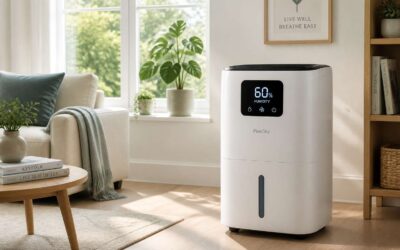
What sets smart dehumidifier dryers apart is their ability to integrate with home automation systems, offering remote control and scheduling through a simple app. This means you can effortlessly keep dampness at bay, whether you’re at home or away, ensuring your living space remains fresh and mold-free. Their sleek design often includes features like touchscreens and digital displays, making them both functional and intuitive to operate.
For those seeking precise moisture management, some models incorporate multiple modes—such as quiet night settings or turbo drying—tailored to specific needs. These smart dehumidifier dryers not only serve as guardians against mold and dampness but also elevate your home’s comfort level with minimal effort. Embracing this technology means embracing a healthier, more resilient living environment in South Africa’s diverse climate.
Commercial-Grade Options
When it comes to tackling moisture on a grander scale, commercial-grade dehumidifier dryers are the heavy artillery in the war against dampness. These beasts are designed for large spaces—think warehouses, industrial facilities, and sprawling commercial complexes—where moisture control isn’t just a matter of comfort, but of safeguarding assets. They boast high-capacity condensers and robust air circulation systems that can extract gallons of water daily, ensuring no corner is left to the whims of humidity.
What makes commercial dehumidifier dryers stand out? Their durability and adaptability. Many models feature multiple operating modes—ranging from continuous dehumidification to targeted moisture removal—making them versatile enough to handle everything from flooding aftermaths to routine humidity management. Plus, their energy-efficient design minimizes operational costs, a crucial factor for businesses operating on tight budgets.
For those seeking tailored solutions, some units come equipped with advanced controls and integration options, allowing seamless connection with existing building management systems. Whether you need a portable dehumidifier dryer for quick deployment or a permanent installation that keeps humidity levels in check 24/7, the options are surprisingly diverse and ready to meet South African commercial needs.
Features to Consider When Choosing a Dehumidifier Dryer
Capacity and Coverage Area
Choosing the right dehumidifier dryer isn’t just about picking a model that looks sleek; it’s about matching its capacity and coverage area to your specific environment. In South Africa’s diverse climate, a dehumidifier dryer that’s too small might leave moisture lingering, while an oversized unit can drain your energy budget without reason. To make an informed decision, understanding how capacity correlates with your space is paramount.
For optimal performance, consider the size of the area you need to dehumidify. Larger open-plan living rooms or expansive industrial spaces demand a dehumidifier dryer with higher capacity ratings. Conversely, smaller rooms or confined spaces often require less power but still benefit from precise moisture control. When selecting a dehumidifier dryer, evaluate the following factors:
- The square footage of the space
- The typical humidity levels
- The volume of moisture generated daily
Matching these parameters ensures that your dehumidifier dryer operates efficiently, maintaining ideal indoor conditions while avoiding unnecessary energy consumption. With the right fit, you’ll enjoy a consistently dry, comfortable environment—no matter what the South African climate throws your way.
Energy Efficiency Ratings
When selecting a dehumidifier dryer, energy efficiency ratings are often the unsung heroes—yet their impact is profound. High-efficiency models not only reduce electricity bills but also lessen your carbon footprint, aligning with South Africa’s growing emphasis on sustainable living. A dehumidifier dryer with a superior energy efficiency rating ensures that moisture is removed effectively without unnecessary power drain, making it a smart investment in the long run.
Look for units with an Energy Star certification or similar local standards, as these indicate optimal energy consumption. Additionally, modern dehumidifier dryers often feature intelligent sensors that adjust operation based on real-time humidity levels, enhancing efficiency and comfort. In environments where moisture control is critical, such as homes with delicate furniture or industrial spaces, choosing a model with high energy efficiency ratings can make all the difference—saving money while maintaining ideal indoor conditions.
In essence, prioritizing energy efficiency when choosing a dehumidifier dryer transforms a simple appliance into a proactive partner in sustainable living. It’s not just about dry air; it’s about smart, conscientious choices that respect both your environment and your budget.
Design and Portability
When selecting a dehumidifier dryer, the design and portability are often overlooked but critical factors that influence both convenience and functionality. A sleek, compact model can seamlessly integrate into your living space without sacrificing style or space, yet still deliver robust moisture removal. Conversely, larger, more industrial models are built to handle extensive coverage areas, making them indispensable in commercial or industrial environments where moisture control must be relentless and unwavering.
Portability becomes particularly vital when flexibility is desired—perhaps moving the dehumidifier dryer between rooms or outdoor settings. Lightweight units with ergonomic handles or caster wheels transform what might seem like a cumbersome appliance into an accessible, user-friendly device. It’s not just about moving; it’s about empowering you to adapt your environment swiftly and efficiently, responding to changing humidity levels with ease.
Choosing the right design hinges on understanding your specific needs. For instance, a small, portable dehumidifier dryer with a modern aesthetic is ideal for home use, especially in spaces where style matters. Meanwhile, industrial-grade models often feature rugged construction, reinforced casings, and integrated safety features—a testament to their durability and capacity to withstand rigorous environments.
- Compactness and lightweight design for easy handling.
- Built-in handles or wheels for effortless relocation.
- Robust construction for industrial or commercial applications.
Ultimately, the decision boils down to balancing the sophistication of design with the practicality of portability. A dehumidifier dryer that marries these elements ensures that moisture management is not only effective but also unobtrusive—making your environment healthier, more comfortable, and adaptable to your dynamic needs.
Noise Levels
When selecting a dehumidifier dryer, considering noise levels is often overlooked, yet it can significantly impact your daily comfort. A noisy dehumidifier dryer might be disruptive, especially in quiet living spaces or bedrooms where restful sleep is essential. The good news is that many modern models are engineered with sound-dampening technology, ensuring they operate quietly without sacrificing performance.
Opting for a dehumidifier dryer with low noise output allows you to run the appliance continuously, even during night hours, without disturbing your peace. Look for features such as adjustable fan speeds or quiet modes—these can make all the difference in creating a serene environment. After all, moisture control should protect your health and comfort, not compromise your tranquility.
Some models come equipped with noise level specifications measured in decibels, giving you a clear idea of their quietness. Whether you’re in a cozy home or managing a commercial space, choosing a dehumidifier dryer that balances effective moisture removal with minimal sound ensures your environment remains harmonious and inviting.
Additional Features
When selecting a dehumidifier dryer, the array of features extends far beyond basic moisture removal. A truly remarkable model not only excels in efficiency but also incorporates features that elevate the user experience to a level of effortless elegance. Think whisper-quiet operation—because in a home where peace and tranquility reign, a noisy dehumidifier dryer simply won’t do. Modern innovations have introduced sound-dampening technology, allowing for seamless integration into quiet spaces like bedrooms or living rooms.
Additional features worth considering include adjustable fan speeds and specialized quiet modes, which transform the appliance into a harmonious part of your environment. For those seeking convenience, look for models with smart controls or programmable timers that adapt to your lifestyle. Some dehumidifier dryer models come with digital displays, offering real-time insights into moisture levels and operational status. Such features not only enhance functionality but also allow for precise control, ensuring optimal performance while maintaining the serenity of your space.
In this pursuit of harmony and efficiency, the right features make all the difference. Whether you’re managing a cozy home or a bustling commercial space, choosing a dehumidifier dryer equipped with these thoughtful features ensures your environment remains inviting, fresh, and free from excess moisture. After all, beauty lies in the details—making every element in your space work seamlessly together.
Installation and Maintenance Tips
Proper Placement for Optimal Performance
Proper installation and strategic placement are vital to unlocking the full potential of your dehumidifier dryer. When positioned correctly, it transforms from a mere appliance into a silent guardian of indoor comfort, safeguarding your space from excess moisture. In South Africa’s humid climate, where moisture levels can fluctuate unexpectedly, understanding where to place your dehumidifier dryer can significantly influence its efficiency and lifespan.
Choosing the optimal location involves considering airflow, proximity to moisture sources, and accessibility. For instance, placing your dehumidifier dryer away from walls and furniture ensures unobstructed airflow, which is essential for peak performance. Additionally, positioning the unit in central areas—such as living rooms or laundry spaces—helps distribute dry air more evenly throughout the room.
To maximize performance, consider the following placement tips:
- Keep the dehumidifier dryer at least 30 cm away from walls for proper ventilation.
- Avoid placing it near sources of heat or direct sunlight, which can interfere with its operation.
- Ensure the unit is on a level surface to prevent vibrations and noise disturbances.
Regular maintenance, such as cleaning filters and checking drainage systems, enhances longevity and efficiency. Remember, a well-placed dehumidifier dryer does more than just dry the air; it becomes an integral part of maintaining a healthy, comfortable home environment. Proper placement and diligent upkeep are the cornerstones of maximizing your investment in humidity control technology.
Routine Cleaning and Filter Replacement
Routine maintenance is the heartbeat of a reliable dehumidifier dryer, ensuring it continues to serve your home efficiently for years to come. Regular cleaning of filters not only sustains optimal performance but also extends the lifespan of your appliance. Neglecting this simple task can lead to reduced airflow, increased energy consumption, and potential malfunctions. In South Africa’s humid climate, where moisture levels can spike unexpectedly, staying on top of maintenance is vital.
Replacing filters periodically is equally important. Over time, they trap dust, mold spores, and other airborne particles that can compromise indoor air quality. A clean filter allows the dehumidifier dryer to operate smoothly, maintaining a healthier indoor environment. To make this process easier, consider establishing a routine—perhaps every three to six months—based on usage frequency and environmental conditions.
Here’s a quick overview of essential maintenance steps:
- Turn off and unplug the dehumidifier dryer before performing any cleaning.
- Remove and clean the air filters with mild soap and water, then allow them to dry completely.
- Inspect the drainage system for blockages or leaks, ensuring it functions seamlessly.
- Check for dust accumulation around vents and clean with a soft cloth or brush.
By dedicating a few moments to routine cleaning and filter replacement, you safeguard the dehumidifier dryer’s efficiency, ensuring it remains a steadfast defender against excess moisture and mold. Proper upkeep transforms this appliance from a simple device into a trusted partner in nurturing a healthy, comfortable home environment—especially important in South Africa’s unpredictable weather patterns.
Troubleshooting Common Issues
Proper installation is the foundation of a reliable dehumidifier dryer. Position it in a location with unobstructed airflow and away from direct sunlight or heat sources. Ensuring correct placement maximizes efficiency and prevents unnecessary strain on the unit. Remember, a poorly installed dehumidifier dryer can lead to uneven moisture control and increased energy use.
If issues arise, troubleshooting often reveals straightforward solutions. For instance, if your dehumidifier dryer isn’t removing moisture effectively, check for blocked vents or clogged filters. Sometimes, the problem is as simple as a frozen coil, which can happen in cooler environments. Regularly inspecting the drainage system for leaks or blockages also prevents water from backing up and causing damage.
- Verify that the dehumidifier dryer is plugged in securely.
- Ensure the settings are correctly adjusted for your environment.
- Clean or replace filters if airflow seems reduced.
- Examine the drainage system and clear any obstructions.
Addressing common issues quickly keeps your dehumidifier dryer running smoothly. If problems persist, consult the user manual or contact a professional—don’t ignore warning signs. In South Africa’s humid climate, a well-maintained dehumidifier dryer can be a game-changer in controlling moisture and preventing mold growth. Stay vigilant, and your appliance will serve you reliably for years to come!
Comparing Top Brands and Models
Popular Dehumidifier Dryer Brands
When evaluating the landscape of dehumidifier dryers, certain brands stand out not merely because of their reputation but because of their unwavering commitment to innovation and reliability. South African homeowners and businesses alike seek models that balance performance with durability, especially given the humid climate that can swiftly lead to mold and structural damage. Among the top brands, Frigidaire and DeLonghi consistently garner praise for their advanced moisture control technology and energy-efficient designs. Their dehumidifier dryers are not just appliances—they are guardians of indoor air quality and integrity.
To truly understand the nuances, it’s essential to compare models based on capacity, noise levels, and additional features such as smart connectivity. For instance, some models boast built-in air purification, while others prioritize portability. Here’s a quick look at popular options:
- High-capacity models suited for large spaces or commercial use
- Compact, portable dehumidifier dryers ideal for small rooms or apartments
- Smart-enabled units that can be controlled remotely via smartphone apps
Choosing the right dehumidifier dryer ultimately hinges on individual needs, but understanding the strengths of top brands ensures the right investment—one that protects property, health, and peace of mind in the long run.
Customer Reviews and Ratings
When evaluating the myriad of dehumidifier dryer models on the market, customer reviews and ratings serve as a beacon of clarity amidst the fog of technical specifications. South African homeowners and businesses often rely on the collective voice of users to gauge real-world performance—beyond the glossy images and marketing claims. A high rating from verified buyers can reveal insights into long-term durability, ease of use, and effectiveness in humid conditions that threaten to foster mold and compromise property integrity.
Notably, brands like Frigidaire and DeLonghi tend to garner consistently positive feedback for their reliability and innovative moisture control technology. Users frequently highlight the importance of features such as smart connectivity and noise levels, which significantly impact daily comfort. For example, models with integrated air purification not only maintain ideal humidity but also contribute to healthier indoor air quality, a vital aspect in South Africa’s often humid climate.
- Customer reviews often emphasize durability—an essential trait for appliances operating in challenging environments.
- Ratings shed light on the efficiency of energy consumption, helping buyers avoid models that inflate electricity bills.
- Additional features, such as portability or remote control, tend to influence overall satisfaction and perceived value.
Ultimately, a thorough comparison rooted in customer feedback illuminates the strengths and limitations of each dehumidifier dryer, guiding consumers to select the model that best aligns with their unique needs and environment. Whether seeking a compact unit for an apartment or a commercial-grade solution for a warehouse, these insights are invaluable in making a confident, well-informed purchase in the realm of dehumidifier dryers.
Price Range and Value for Money
When it comes to selecting a dehumidifier dryer, comparing top brands and models is essential to ensure you get the best value for your money. South African homes and businesses face unique humidity challenges, making it crucial to choose a model that balances quality and affordability. Price ranges can vary significantly—from budget-friendly units under R3000 to high-end, commercial-grade dehumidifier dryers exceeding R10,000. Understanding what each price point offers helps consumers avoid overspending while still meeting their needs.
Many brands like Frigidaire, DeLonghi, and Electrolux offer a spectrum of options, each with distinct features and benefits. To streamline your decision, consider the following:
- Basic models perfect for small spaces or occasional use.
- Mid-range units with enhanced moisture control and energy efficiency.
- Premium dehumidifier dryers equipped with smart connectivity, air purification, and larger capacity for demanding environments.
Ultimately, the secret to finding the right dehumidifier dryer lies in evaluating how these models deliver on durability, efficiency, and extra features—ensuring you’re investing in a solution that offers genuine value for money in South Africa’s humid climate. Whether you need a compact unit for an apartment or a robust system for a commercial setting, comparing prices alongside real-world performance helps you make an informed decision that stands the test of time.
Environmental and Safety Considerations
Eco-Friendly Features
In a world increasingly conscious of environmental stewardship, the eco-friendly features of a dehumidifier dryer stand as a testament to sustainable innovation. These devices not only combat excess moisture but do so with an unwavering commitment to safety and ecological responsibility. The integration of energy-efficient technology ensures that the dehumidifier dryer consumes minimal power, reducing carbon footprints while maintaining peak performance. Moreover, many models incorporate eco-friendly refrigerants that are less harmful to the ozone layer, aligning with global efforts to preserve our fragile atmosphere.
Safety considerations are paramount, especially in domestic and commercial settings. Modern dehumidifier dryers are equipped with automatic shut-off systems and advanced sensors that prevent overheating and electrical hazards. To further enhance eco-friendliness, some units feature recyclable components and promote responsible disposal, minimizing landfill impact. An often-overlooked benefit is the silent operation, which not only reduces noise pollution but also fosters a healthier indoor environment, free from disruptive sounds and chemical emissions. Embracing a dehumidifier dryer with these eco-friendly features contributes to a safer, greener future—one moisture control solution at a time.
Safe Usage Practices
Ensuring the safe and eco-friendly operation of a dehumidifier dryer is paramount for both the environment and your peace of mind. With rising concerns about energy consumption and chemical emissions, choosing a model with advanced safety features is more critical than ever. Modern dehumidifier dryers often come equipped with automatic shut-off systems and sensors designed to prevent overheating or electrical hazards—features that safeguard your home and loved ones while reducing energy waste.
To maximize safety and eco-friendliness, it’s advisable to adhere to some simple yet effective practices. Regularly inspect the refrigerants used in your dehumidifier dryer; opt for models that incorporate eco-friendly refrigerants, which are less damaging to the ozone layer. Proper placement—avoiding direct sunlight or proximity to heat sources—also enhances efficiency and safety. Additionally, consider the following:
- Keep the unit away from flammable materials.
- Ensure filters are clean and replaced as recommended.
- Unplug the device when not in use for extended periods.
Implementing these safe usage practices not only prolongs the lifespan of your dehumidifier dryer but also contributes to a healthier indoor environment. Noise pollution is another concern that often goes unnoticed; opting for models with silent operation minimizes disturbance and chemical emissions, fostering a more serene and safe atmosphere indoors. When selecting a dehumidifier dryer, prioritizing safety and eco-friendly features ensures your moisture control solution remains both effective and responsible, paving the way for a greener future.
Energy Saving Tips
In a world increasingly conscious of environmental impact, choosing an energy-efficient dehumidifier dryer is more than a convenience—it’s a responsibility. These devices, when selected with eco-friendly features, can significantly reduce electricity consumption and chemical emissions. Modern dehumidifier dryers equipped with advanced safety and energy-saving technology are transforming how we manage indoor moisture while safeguarding the planet.
To maximize the eco-friendliness of your dehumidifier dryer, consider models that incorporate eco-friendly refrigerants. These refrigerants have a lower ozone depletion potential, making your moisture control solution safer for the environment. Proper placement of the unit—away from heat sources and direct sunlight—can also enhance efficiency, reducing unnecessary energy drain. Additionally, routine maintenance such as cleaning filters and ensuring the unit is unplugged when not in use can prevent excess power consumption and prolong the device’s lifespan.
Implementing simple energy-saving tips, like setting optimal humidity levels and using timer functions, can make a notable difference. For instance, a well-positioned dehumidifier dryer in a damp basement or laundry room can prevent mold growth without skyrocketing energy bills. When shopping for a dehumidifier dryer, prioritize models with high energy efficiency ratings and safety features, ensuring your home stays healthy and eco-conscious. These steps not only support a greener future but also secure a safer, quieter indoor environment—combining sustainability with peace of mind.
0 Comments