
Crystal-based moisture control fundamentals
What desiccant crystals are and how they work
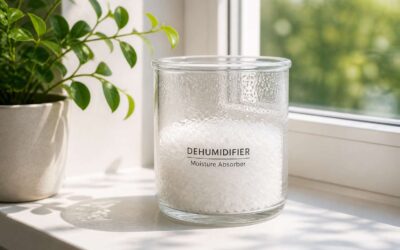
Humidity is the quiet thief in a South African home—stealing comfort as night folds over the hills. Desiccant crystals, known in everyday gloss as dehumidifier crystals, begin the rescue by quietly courting water vapor and coaxing it into their gelled embrace.
These crystals work through adsorption: air meets a porous lattice, and water molecules cling to the surface while the surrounding air grows drier. Once saturated, a change in temperature or airflow can release moisture and reset the cycle, keeping rooms fresher longer.
- High surface area for rapid moisture capture
- Low energy footprint compared with some alternatives
- Suitable for small to medium spaces without heaters
Common materials used in desiccant systems
‘Damp is silent until it isn’t,’ a property manager quipped. In South Africa, humidity spikes during the rainy season, robbing rooms of comfort before you notice it. Enter dehumidifier crystals as quiet allies—small, patient participants that shape the air you breathe by pulling moisture from it and returning a sense of normality to living spaces.
Crystal-based moisture control fundamentals hinge on porous materials that attract water. Common materials used in desiccant systems include silica gel, activated alumina, and zeolites, each chosen for a different balance of capacity, regeneration ease, and cost. The aim is steady performance without heating or high energy use.
- Silica gel
- Activated alumina
- Zeolites
- Calcium chloride
Each option brings trade-offs in moisture capacity, cycle frequency, and maintenance, shaping how dehumidifier crystals perform in South African spaces.
Where crystal absorbers are used in home environments
Humidity can creep into a room and steal comfort before you notice it. In South Africa’s rainy season, that creeping becomes a chorus of damp spots. dehumidifier crystals arrive as quiet allies, pulling moisture from the air and returning a sense of normality to living spaces. You’ll notice the calm it brings in a sun-warmed kitchen.
Crystal absorbers work by inviting water into their porous structure, then holding it until a fresh cycle clears them. The beauty lies in quiet versatility: no noisy fans, modest energy use, and steady performance that suits family life in towns and on farms alike. It offers a gentle, reliable rhythm.
In homes across South Africa, these crystals find friendly corners where damp shows up most:
- Closets and wardrobes where fabrics trap moisture
- Linen cupboards that feel damp after rain
- Bathrooms and laundry nooks that welcome humidity
Maintenance and replacement timelines for crystal packs
Humidity is a quiet tax on comfort, and in South Africa it quietly erodes rooms before we notice. Crystal-based moisture control relies on dehumidifier crystals that work in the background, soaking and releasing moisture without a fan. The rhythm is gentle, almost mindful.
Replacement timelines vary with climate and use. In calmer spaces, 12–24 months; in damp bathrooms or kitchens, 6–12 months; in high-humidity environments on farms, 3–6 months.
- Room type and climate influence cycles
- Signs of saturation help guide refresh timing
- Seasonal humidity spikes shorten lifespan
With the right cadence, these dehumidifier crystals keep spaces calm—from a sun-warmed kitchen to a linen cupboard that endures the rains. Respecting replacement timelines preserves steady performance and a room that breathes with intention.
Choosing a crystal-driven dehumidification solution
Key features to compare in crystal-based systems
Across South Africa’s coastal towns, summer humidity can push indoor life to the edge, and up to 60% of homes report damp issues each year. Choosing a crystal-driven dehumidification solution means weighing the quiet power of dehumidifier crystals against the rhythm of your space.
Where to look when selecting? Consider the following features that quietly shape comfort and longevity:
- Capacity, humidity targets, and space compatibility
- Regeneration method, energy efficiency, and operating temperature range
- Physical footprint, airflow, and noise levels
- Durability, warranty, and maintenance expectations
In the end, the right crystal-driven system feels like a signal rather than a solution—a blend of efficiency, character, and resilience that suits South African homes and their evolving seasons.
Room size and humidity level considerations
Coastal summers in South Africa can turn your living room into a steam room, and up to 60% of homes wrestle with damp each year. Choosing a crystal-driven dehumidification solution means matching quiet performance to how you actually live. When room size collides with your space’s rhythm, the crystals do the heavy lifting—subtly, efficiently, and without fanfare.
Room size and typical humidity shape the fit. A compact bedroom or bathroom leans toward lighter crystal packs, while larger living areas invite more robust coverage. Position matters too: air should circulate, and avoid heat sources or corners that trap damp. dehumidifier crystals respond best when their capacity aligns with the space and the steady humidity target you’re after.
Cost factors and energy efficiency
Coastal South Africa keeps the air thick with humidity, and homes can feel like steam rooms during peak months. Choosing a crystal-driven dehumidification solution powered by dehumidifier crystals isn’t about guessing capacity; it’s about letting the space breathe in a quiet, steady rhythm—taming the damp djinn that wanders the corners.
Cost factors and energy efficiency shape every choice. Here are essentials to consider:
- Upfront price versus long-term operating costs
- Crystal pack longevity and replacement intervals
- Energy consumption at your target humidity
- Availability of SA-compatible packs
But I have learned that the aim is a balance where the device works invisibly—tiny vibrations, cool air, and a stable climate that never shouts.
Safety and maintenance considerations
Coastal South Africa’s humidity clings like a warm blanket, turning lounges into steam rooms during peak months. A crystal-driven dehumidification solution isn’t about guessing capacity; it’s about letting space breathe in a quiet, steady rhythm. Picture tiny dehumidifier crystals doing the heavy lifting, while you enjoy cooler air and a room that doesn’t announce damp at every corner.
- Keep crystals away from children and pets; store in a sealed container when not in use.
- Unplug and dry hands before handling; moisture and electricity are a dangerous duet.
- Regularly inspect packs for cracks or clumping to avoid reduced performance.
- Dispose of spent packs in accordance with SA waste regulations.
Safety and maintenance hinge on pack integrity and choosing SA-compatible packs, so the system stays reliable without drama — dehumidifier crystals continuing their quiet vigil.
Installation options and compatibility with existing setups
Coastal South Africa’s humidity isn’t shy; it greets you at the door and refuses to leave. A crystal-driven dehumidification solution should feel as simple as settling into a cool seat—quiet, steady, and unexpectedly chic. Dehumidifier crystals deliver calm, continuous relief without the compressor racket, turning damp corners into spaces you can actually breathe in.
Installation options to fit your space include:
- Portable packs that slide into cupboards or wardrobes for quick, discreet relief
- Wall-mounted or cabinet-integrated modules that blend with décor
- HVAC retrofit kits to leverage existing ducts without wiring chaos
- Freestanding towers with removable crystal packs for flexible rooms
Compatibility with existing setups hinges on room size, airflow paths, and power access. Confirm SA-compatible packs for reliable performance, and ensure the packaging stays intact for optimal absorption. With dehumidifier crystals in place, the result is a seamless, quiet system that breathes alongside you rather than fighting you.
Crystal technology versus traditional humidifiers
Performance under varying humidity conditions
Humidity is a fickle companion, reshaping rooms with quiet insistence. In this climate, comfort becomes a design parameter—measured, precise, and unexpectedly intimate.
Crystal technology uses desiccants that bind moisture, pulling humidity from the air without the misty aftertaste of old machines. Traditional humidifiers, by contrast, add moisture and rely on evaporation, hence their rhythm shifts with temperature and airflow. dehumidifier crystals offer these contrasts:
- Lower energy footprint due to passive adsorption
- More stable performance during humidity swings
- Longer intervals between maintenance checks
Across South Africa, climates range from humid coastlines to arid highveld. Crystal-based climate control moves with those shifts, delivering reliable comfort and quietly curbing condensation before it becomes a problem.
In spaces built for today’s busy lives, these systems recede into the background, keeping air feel honest.
Pros and cons of desiccants versus refrigerant dehumidifiers
In many South African homes, humidity isn’t a backdrop—it’s a daily weather you feel more than you see. Peak-season moisture can push energy bills up by as much as 12%, and that’s precisely where dehumidifier crystals shift the balance. Crystal technology uses desiccants to pull moisture from the air, avoiding the misty aftertaste of old, evaporative humidifiers. It’s a quiet algebra of comfort and efficiency.
Practical contrasts:
- Steadier energy use as humidity swings thanks to dehumidifier crystals’ adsorption.
- More predictable comfort across rooms with a stable baseline.
- Fewer maintenance touches, extending gaps between servicing.
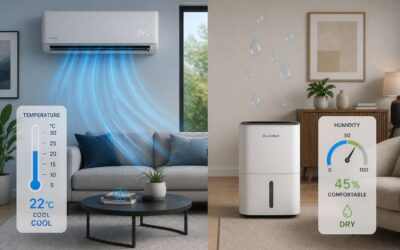
Refrigerant units dry air quickly and fit small spaces, but they can spike electricity use and hum louder. Desiccant systems, including dehumidifier crystals, are robust yet pricier upfront and may require occasional refresh. From my experience, the best fit depends on space, climate, and daily life.
Noise, energy use, and space requirements
In South Africa, peak-season humidity can push energy bills up by as much as 12%. With dehumidifier crystals, humidity stabilises without the hiss and churn of traditional humidifiers. It’s a quiet, practical math: steady comfort with fewer energy spikes, even as rooms breathe at different rates.
Here’s how the numbers stack up on noise, energy use and space:
- Noise: crystal-based systems run almost silently, with only a gentle breeze as they work.
- Energy use: adsorption maintains a steady draw, avoiding peak spikes seen with traditional humidifiers.
- Space: compact crystal packs tuck into tight corners, freeing floor space.
In moments like these, the home feels less like a pressure cooker and more like a controlled climate script.
Longevity and replacement costs
Only a stubborn statistic keeps us honest: peak-season humidity in South Africa can push energy bills up by as much as 12%. Crystal technology changes the equation—dehumidifier crystals operate with far fewer moving parts, delivering steady humidity without the hiss and energy spikes of traditional humidifiers. With fewer components to wear, these crystals often outlast traditional units, translating to lower replacement frequency and less downtime when you need reliability most.
Replacement costs become predictable: dehumidifier crystals are simple exchanges, spaced years apart rather than months. In practice, the total cost of ownership can be kinder to budgets while maintaining steady performance as rooms breathe at different rates.
- Lower maintenance due to fewer moving parts
- Longer replacement intervals for crystal packs
- Predictable budgeting with stable replacement costs
Environmental impact and disposal
Humidity climbs like a silent creditor, and energy bills follow its whispers. In South Africa, peak-season humidity can push energy costs up by as much as 12%. dehumidifier crystals offer a gentler current. Crystal technology operates with far fewer moving parts than traditional humidifiers, delivering steady humidity without the hiss and energy spikes. With less wear and tear, these dehumidifier crystals often outlast older systems, turning maintenance into a quiet, enduring alliance rather than a constant headache.
Environmental impact and disposal reveal a cleaner tale. Crystal-based systems leave a smaller footprint at end of life than bulky refrigerant models—components are lighter to disassemble and align with local recycling streams across SA. In this tale, dehumidifier crystals reveal a lighter footprint at end of life than bulky refrigerants. For communities across SA, choosing crystal technology sustains both air and land, a quiet pact between home comfort and responsible stewardship.
Practical usage tips for crystal absorbers
Optimal placement and usage in rooms
Humidity is the quiet thief of comfort, turning bright spaces into damp mazes. In many South African homes, coastal air and rainy-season humidity linger even when windows are shut and fans whisper. Used thoughtfully, dehumidifier crystals offer balance, a subtle magic that tames moisture without the roar of heavy machinery.
- Position the crystals where air can flow freely, avoiding tight corners that trap damp air.
- Keep them away from direct heat sources and strong sunlight to slow saturation.
- Observe changes over time and rotate packs to maintain even absorption.
Within living rooms, bedrooms, and hallways, place packs near humidity sources such as external walls, never blocking doorways or vents. A balanced spread in larger spaces helps reduce pockets of moisture and preserves air clarity.
Tracking humidity and knowing when to replace
Coastal air in South Africa has a knack for lingering—indoor humidity often hovers in the mid‑60s to 70s even after the rain stops. That’s where dehumidifier crystals step in, offering a quiet, almost magical way to keep spaces breathable without the roar of powered machines.
Tracking humidity with crystal absorbers is about reading subtle signs. Over time, packs feel heavier and the surrounding air carries less dampness. Replacement becomes a natural moment when the crystals no longer shun saturation and the room’s balance tilts back toward moisture.
Key indicators to watch include:
- Weight change: a noticeably heavier pack signals moisture uptake
- Air clarity: crisper, less clammy air suggests effective absorption
- Seasonal rhythm: humidity cycles reveal when packs approach saturation
Maintenance routines and safe disposal
Coastal air in South Africa clings long after the rain, turning rooms into a humid shoreline. The dehumidifier crystals stand as quiet guardians—sipping moisture without the roar of a motor. Their patient magic lets homes breathe, turning stuffy corners into spaces of everyday comfort.
Maintenance routines arise from calm observation, not force. Keep packs away from direct sun and excess moisture, and let seasonal cycles guide their care. A mindful glance reveals when they have served their purpose.
- Gentle, regular inspections support longevity.
- Placement in a dry, temperate corner during idle periods.
- Disposal should follow local guidelines for spent crystals and packaging.
Safe disposal: Exhausted dehumidifier crystals should be treated with quiet respect. Seal them and dispose of them with general household waste, away from streams and drains. In this small ritual, the home and environment stay in balance.
Common pitfalls and troubleshooting
In the stillness of a South African dwelling, dehumidifier crystals drink the damp from air, a quiet repose that keeps rooms from turning into damp ruins.
Practical usage tips: place the crystals in a dry, temperate corner away from direct sun and heat; keep them sealed between uses; let seasonal humidity guide replacement. A simple hygrometer can verify a room’s mood without words.
- Don’t tuck packs behind heavy furniture where airflow is blocked.
- Avoid exposing them to direct sun or excessive moisture during storage.
- Inspect for clumping or odor; if present, replace promptly.
If you still feel moisture lingers after a season, consider a larger pack or an additional unit to widen the reach.
Tips for maximizing lifespan and efficiency
Moisture isn’t loud, but it is insidious—South African homes can swing humidity by up to 25% between day and night, turning living spaces into damp specters. Enter dehumidifier crystals: quiet guardians that gulp moisture and keep air feeling settled rather than breathless. Their magic lies in steady absorption, with no moving parts to whisper back at you.
Practical usage tips keep their edge sharp and their lifespan long:
- Place in a dry, temperate corner away from direct sun and heat
- Keep packs sealed between uses to preserve moisture-uptake capacity
- Let seasonal humidity guide replacement so you’re not overstocked
- A simple hygrometer can verify a room’s mood without words
Airflow matters; with dehumidifier crystals in the mix, tuck them where air can circulate, not behind heavy furniture. If you notice clumping or odor, replace promptly.

0 Comments