
60 L Dehumidifier Overview
What is a 60 L dehumidifier?
Coastal South Africa knows the bite of damp. In rainy months, indoor humidity can climb toward the mid-70s, turning laundry days into foggy windows and wooden furniture into damp memories.
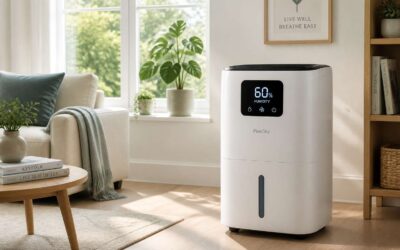
A dehumidifier 60l is a high-capacity appliance designed to pull up to 60 litres of moisture from the air in a single day, especially in larger living spaces, workshops, or cottages where damp persists.
- Quiet operation that suits living rooms and bedrooms
- Adjustable humidity control for steady comfort
- Built-in condensate tank with optional drainage
- Rugged wheels and handle for easy moving
In farmhouses, townhouses, and everything in between, this helper keeps air breathable, walls dry, and memories intact—proof that sensible moisture control can meet the day with grace.
Key Benefits and Use Cases
Damp doesn’t take holidays in South Africa, and neither should your comfort. More than half of homes deal with damp at some point, so the dehumidifier 60l steps in as a dependable ally for living rooms, studios, and cottages along the coast. I’ve watched damp turn laundry days into foggy windows.
With a capacity to pull up to 60 litres per day, the dehumidifier 60l delivers serious relief without shouting, thanks to quiet operation. It pairs adjustable humidity control with a built-in condensate tank and optional drainage for uninterrupted dryness.
Use cases:
- Open-plan lounges and large bedrooms
- Coastal cottages and basements
- Workshops, garages, and farm outbuildings
How to Read Specifications at a Glance
In South Africa, dampness lingers, yet the dehumidifier 60l arrives with quiet authority, turning foggy mornings into crisp afternoons. A quick look at specifications reads like a weather prophecy—daily extraction, drainage options, and the rhythm of humidity you can hold steady!
How to read specifications at a glance: focus on daily extraction rate, drainage choices, humidity range, and energy use. If it’s marketed as dehumidifier 60l, you’ll see a promise of up to 60 litres per day and a simple control set.
- Daily extraction up to 60 litres
- Drain options: tank or external hose
- Humidity range and sensors
- Noise level and energy class
Placed in open-plan lounges or coastal studios, the 60l model brings dryness with quiet elegance, lasting through gatherings and quiet evenings.
Differences from Smaller and Larger Models
Across South Africa’s damp-clad homes, the dehumidifier 60l arrives like a weathered conductor—quiet, precise, and utterly authoritative. I watch it work between nimble compact models and hulking industrial units, pulling moisture from larger spaces with a steady, almost lyrical cadence! In coastal air and rain-laden mornings, this leader keeps walls honest and interiors breathable.
The dehumidifier 60l balances force with restraint: robust extraction without overwhelming an open-plan sanctuary. Smaller devices sprint and falter as rooms swell; larger ones drink deeply yet demand more space and energy. Expect a stout compressor, a generous reservoir, and drainage options that suit both hose runs and tank emptying. Noise and energy class are tuned for daily life, not a showroom moment.
- Capacity versus area coverage
- Drainage versatility: tank or hose
- Maintenance cadence and endurance
In South Africa, that balance of power and poise makes it a steadfast companion through damp seasons.
Buying Guide for a 60 L Dehumidifier
Capacity and Room Size Guidance
Humidity can crash a South African living space faster than a gala misstep; the dehumidifier 60l steps in as a calm referee, keeping air crisp without fanfare.
Choosing by room size isn’t a vanity metric but a practical equation. A 60l unit shines in sizeable lounges, studio flats, laundry corners, or garages where moisture lingers, offering steady performance without the drama of smaller models. The dehumidifier 60l excels in spaces where damp persists.
The following room-size guidance translates well to SA homes:
- Up to 20 m² — compact comfort
- 20–40 m² — balanced performance
- 40–60 m² — ideal for larger open plans
In SA homes, the dehumidifier 60l finds its rhythm in varied environments.
Energy Efficiency and Operating Costs
Humidity is not merely a nuisance; it reshapes how we breathe, sleep, and linger indoors. A striking statistic sits in the room: dampness can sap energy days before the eye notices. The dehumidifier 60l steps in—an austere, reliable referee for air that refuses to settle.
Energy efficiency guides choosing the right model. The dehumidifier 60l typically pairs a smart compressor with humidity sensing and auto shut-off, delivering steady extraction while keeping running costs in check in SA homes.
Consider these factors:
- Energy efficiency rating and annual running costs
- Filter maintenance and replacement frequency
- Local electricity tariffs and usage patterns
That balance—the cost of operation and the comfort delivered by the dehumidifier 60l—defines a sound purchase.
Important Features to Consider
Humidity weaves a quiet labyrinth in any home, and a dehumidifier 60l is the lantern that reveals its corridors. In SA homes, the damp can creep in without notice—until air feels heavy and textures cling. This buying guide highlights the features that keep moisture in check and comfort high.
Important features to consider include:
- Extraction rate and real-world performance
- Drainage options: bucket or continuous drainage
- Humidity sensor accuracy and auto shut-off
- Filter life and ease of maintenance
- Noise level and overall build quality
Choose a model with a solid warranty and accessible service network—South Africa’s climate demands reliability and local support.
Noise Levels and Comfort in Living Spaces
Quiet is priceless; a damp living room can hush a conversation, but a well-chosen dehumidifier 60l restores voice to your space. “Quiet is invaluable,” a Cape Town homeowner once told us, and the truth lands harder when a humid afternoon lingers.
Noise levels matter as much as capacity: look for models that whisper around 40–50 dB in normal operation. A dehumidifier 60l unit designed for living spaces balances extraction with comfort, keeping air clean without a distracting hum. In real rooms, airflow and layout shape the perceived quietness and mood.
- Noise-reduction features: anti-vibration feet, foam pads, and variable fan speeds
- Placement considerations: air intake and circulation are influenced by how space is arranged around the unit
- Maintenance simplicity: accessible filter, clear drainage options and easy cleaning
Warranty, Support, and Availability of Spare Parts
Reliability is the true luxury when damp days press in. “Quiet operation isn’t vanity—it’s a shield for your conversations,” a Cape Town contractor told me. For a dehumidifier 60l, warranty, support, and spare-parts availability aren’t afterthoughts—they’re the backbone of long-term comfort in South African homes.
Key warranty facets to consider:
- Clear warranty period (typical 1–2 years) and coverage for parts.
- On-site service options or convenient courier replacements.
- Availability of genuine spare parts and compatible filters in SA.
In South Africa, support networks matter: buy from brands with local service, genuine spare parts, and accessible manuals. A dehumidifier 60l backed by robust local availability minimizes downtime during peak humidity and ensures you can keep textures and fabrics safe.
Brand Alternatives and Budget Ranges
In South Africa, damp corners plot grand conspiracies against upholstery and timber, but the right equipment can tilt the balance. When choosing a dehumidifier 60l, the landscape of brand alternatives and budget ranges becomes your treasure map—local availability, service networks, and genuine parts lighting the way.
From my experience, some brands give you a broader ecosystem without breaking the bank. Here are the budget ranges you’ll encounter, tailored for SA households:
- Entry-level: up to R6,000 — compact power, solid core performance
- Mid-range: roughly R6,000–R12,000 — stronger extraction, better durability, broader support
- Premium: above R12,000 — top-tier features, long-term reliability, advanced controls
With the right mix of brand alternatives and budget, you step into a future of drier rooms and happier textiles—your home’s quiet, enduring fortress!
Maintenance and Longevity for 60 L Dehumidifiers
Cleaning Schedules and Filter Care
Humidity in SA can cost more than comfort—mold, musty air, and repairs. The dehumidifier 60l, cared for with a maintenance rhythm, becomes a steadfast ally. A small upkeep yields durable performance and cleaner indoor air through the season.
Cleaning schedules and filter care are not chores but safeguards. A simple routine keeps coils efficient and the unit quiet. Begin with the basics: monthly surface wipe, vacuum the intake, and wash the pre-filter. Keep the drainage hose clear and inspect seals.
Longevity blooms when you pair gentle use with routine care. Avoid running at full blast in drafts and keep space around the unit clear. When idle, store it dry. With attentive care, your dehumidifier 60l can stay reliable for years to come.
Drainage Options and Leaks Prevention
Refrigerant vs Desiccant Technology Overview
“Humidity is the thief of time,” a designer once said, and in South Africa’s heat that truth lands hard. The dehumidifier 60l is more than a machine—it’s a quiet custodian of fabrics, wood, and air quality, earned through thoughtful design and gentle use.
Maintenance and longevity hinge on how refrigerant and desiccant technologies endure the test of seasons and space. Refrigerant models rely on sealed coils and a durable compressor; desiccant units lean on robust hygroscopic materials that tolerate steady cycling. Both deserve respect in design, placement, and service life.
- Key longevity factors: coil integrity, compressor wear, desiccant saturation, and sensor reliability.
- Durability considerations: corrosion resistance, seal integrity, and vibration tolerance.
- Climate alignment: the right technology in hot, humid spaces supports longer service life.
- System resilience: power quality and installation geometry influence durability.
Across models, the unit stands as a faithful guardian, delivering dependable performance across years and seasons.
Placement Tips to Extend Lifespan
The humidity battleground in South Africa demands more than brute power; it requires smart placement and patient upkeep. The dehumidifier 60l proves its worth when it sits where air can move freely and the room isn’t a trap for heat and moisture. With sensible placement, sound design, and a calm electrical footprint, this unit becomes a quiet steward of textiles, wood, and the air you breathe.
Longevity hinges on how the machine interacts with its space—how it handles seasonal swings, how closely it mirrors the room’s climate, and how installation geometry respects the flow of air and power quality. In practice, a unit cast into a cramped corner or connected to erratic power will wear faster than one placed to breathe and to sense accurately. Across models, the dehumidifier 60l remains a dependable guardian across years and seasons.
Troubleshooting Common Issues
Humidity in South Africa can spike 20–30% during storms, turning wardrobes damp and fabrics clingy. The dehumidifier 60l stands as a quiet sentinel, sipping moisture with a calm electrical footprint.
Longevity hinges on space dialogue: air must flow, heat must not trap, and seasonal swings must be read, not ignored. A unit that breathes with the room ages with grace.
Common issues show up as simple symptoms that hint at room relationships.
- Constant short cycling with erratic power
- Water tray or drainage warnings
- Unusual noises from panels or fans
Maintenance reads as partnership with your space, extending this unit’s life and keeping it reliable through the seasons and beyond.
Seasonal Storage and Pre-Season Checks
Maintenance for the dehumidifier 60l is a ritual, a pact with the air you live with. Like a lighthouse keeper, it watches the damp and keeps the home honest, especially during South Africa’s volatile storm season when humidity can spike without warning.
Longevity hinges on space dialogue: air must flow, heat must not trap, and seasonal swings must be read, not ignored. A unit that breathes with the room ages with grace.
Seasonal storage frames this relationship through quiet reverie. When the calendar tilts toward dormancy, the unit rests in a dry corner, away from extremes; when spring returns, it awakens with the room, ready to sip humidity anew.
Best Practices for Using a 60 L Dehumidifier
Optimal Placement for Quick Drying
Humidity in many South African homes can turn a simple laundry day into a drawn-out affair—damp clothes often take up to 50% longer to dry. A dehumidifier 60l stands ready as a trusted ally, pulling damp air from living spaces and hinting at drier fabrics and lighter rooms.
Choose a central spot with clear airflow, not wedged behind furniture or tucked into a corner. Keep doors mostly closed during use to concentrate moisture removal where you need it most.
With steady air movement and the right placement, the unit supports quicker drying and steady humidity control, turning damp spaces into comfortable, breathable rooms.
Balancing Humidity Levels Effectively
In South Africa’s muggy months, damp spaces cling like a mystery you want solved. The dehumidifier 60l acts as a steady guardian, pulling moisture from the air and steering rooms toward breathable balance.
Best Practices for Balancing Humidity Levels Effectively rely on a few simple principles: monitor comfort targets, judge by feel, and respect energy use. Consider these factors:
- Humidity targets that feel comfortably cool and dry to occupants
- Noise and energy balance to keep homes livable day and night
- Ventilation compatibility with existing windows or doors
When used with a measured hand, the unit can maintain steadier air without the dramatic swings that haunt damp corners—an unseen ally for SA homes year-round.
Energy-Saving Tips and Auto-Mode Utilization
Humidity in South Africa can creep into living rooms like a mystery novel with damp fingerprints; a well-tuned dehumidifier 60l can trim comfort costs by up to 20%. Subtle adjustments in how we run it matter as much as the unit itself.
Auto-mode does the heavy lifting, keeping air within a breathable band while avoiding wasteful over-drying. This is efficiency dressed in sensible circuitry—quiet, predictable, and friendly to energy bills.
- Auto-mode maintains steady humidity without constant manual fiddling
- Moderation in fan speed and condensate handling reduces unnecessary power draw
- Compatibility with existing building ventilation supports balanced performance
In SA homes, a measured approach to climate control yields comfort without theatrics, letting it blend into the background—efficient, reliable, and quietly persuasively modern.
Maintenance Calendar and Routine Reminders
In South Africa’s climate, even a calm living room can hide damp until it blooms. A disciplined maintenance calendar can trim moisture surprises by up to 25%, turning a reliable dehumidifier 60l into a steadfast companion rather than a reactive device.
Best practices hinge on consistency rather than bursts of effort. Create a cadence that suits your home and a reminder system that nudges you before trouble arises. A calendar synced to your phone or the household planner keeps the rhythm predictable while preserving energy and comfort.
- Seasonal system checks aligned with the wet and dry cycles
- Filter health and airflow reviews
- Drainage and condensate pathway inspections
With such routine, it blends into daily life—quiet, reliable, and quietly persuasive—so you never question the air you breathe.
Safety Considerations and Smart Monitoring Options
Humidity is a stealthy antagonist, especially in South Africa’s muggy seasons. In South Africa, up to 60% of homes battle dampness that hides until mould blooms. A trusted device becomes more than a gadget—it acts as a quiet guardian, keeping air steady and mould at bay without turning living spaces into a damp forecast.
Safe operation starts with sound design and respect for electricity. Look for proper clearance, stable placement, and a protected drainage path. Below are high-level considerations:
- Electrical safety and compliant outlets
- Stable stand and unobstructed airflow
- Clear drainage and spill prevention
Smart monitoring options extend vigilance without nagging. Wi-Fi-enabled units ping your phone with humidity readings, alert you to spikes, and log trends for seasonal adjustments. Pairing a dehumidifier 60l with a home automation routine turns it from silent operator to proactive partner.

0 Comments