
Understanding Mold Growth and Its Health Implications
What Causes Mold in Indoor Environments – Factors Contributing to Mold Development
In the labyrinth of indoor health hazards, mold remains an insidious adversary, quietly undermining well-being with its microscopic tendrils. Scientific studies reveal that up to 50% of South African homes may harbor hidden mold, often lurking behind the wallpaper or beneath carpets, where it’s least expected but most dangerous. The spores, invisible to the naked eye, can trigger allergic reactions, respiratory issues, and even exacerbate asthma—making the fight against mold both a health and an aesthetic priority.
What fuels this fungal proliferation? Primarily, it’s the confluence of moisture and warmth—conditions that turn our cozy abodes into mold’s playground. Factors contributing to mold development include poor ventilation, water leaks, high humidity levels, and inadequate insulation. These elements create a perfect storm for mold spores to settle and multiply, often unnoticed until the damage becomes visible or health symptoms become undeniable.
To combat this silent menace efficiently, an air purifier or dehumidifier for mold becomes indispensable. These devices work synergistically, with the dehumidifier drying out the environment to inhibit mold growth, while the air purifier captures airborne spores, preventing them from settling or being inhaled. In South Africa’s diverse climate, maintaining optimal indoor humidity is vital, and choosing the right equipment ensures your sanctuary remains mold-free and your lungs breathe easier.
Health Risks Associated with Mold Exposure – Respiratory Issues and Allergies
Mold growth isn’t just an unsightly nuisance; it’s a stealthy threat lurking behind walls and beneath floors. Once established, mold releases microscopic spores that drift invisibly through the air, often unnoticed until health issues arise. These spores are more than just a pesky presence—they can severely impact respiratory health, especially for those with allergies or asthma. Breathing in mold spores repeatedly can trigger allergic reactions, cause coughing, wheezing, and even worsen existing respiratory conditions.
Understanding the health risks associated with mold exposure underscores the importance of effective indoor air management. An air purifier or dehumidifier for mold is a critical line of defense. By reducing airborne spores and controlling moisture levels, these devices help prevent mold from taking hold and spreading. In South Africa’s humid climate, maintaining optimal indoor humidity isn’t just about comfort—it’s a safeguard for long-term health and well-being.
Signs and Symptoms of Mold Infestation – Detecting Mold in Your Home
Mold’s clandestine invasion often begins unnoticed—hidden behind wallpaper, beneath carpets, or within the damp corners of your home. Its stealthy growth thrives in moist environments, especially in South Africa’s humid climate. Recognizing the signs of mold infestation can be like uncovering a hidden treasure map, guiding you toward the unseen menace lurking in your living space. Fuzzy patches, a musty smell, or discoloration on walls and ceilings are telltale clues that mold has taken root.
To truly understand the threat, it’s crucial to identify the signs and symptoms of mold infestation early. Persistent coughing, sneezing, or itchy eyes may seem minor at first, but they could signal that mold spores are infiltrating your air. In some cases, mold exposure can cause more severe respiratory issues, especially in those with allergies or asthma. Using an air purifier or dehumidifier for mold can make all the difference—these devices help detect and eliminate airborne spores while controlling moisture levels, preventing mold from spreading further.
In a humid environment, vigilance is key. Keep an eye out for:
- Discoloration or staining on walls or ceilings
- A persistent musty odor that lingers despite cleaning
- Peeling or bubbling paint and wallpaper
By understanding these subtle signs, homeowners can act swiftly to safeguard their health. Remember, controlling indoor humidity with a dehumidifier for mold is not just about comfort—it’s a vital step in protecting your respiratory health and creating a safer, mold-free sanctuary.
Choosing Between Air Purifiers and Dehumidifiers for Mold Control
How Air Purifiers Help in Mold Prevention – HEPA Filters and Activated Carbon
In the labyrinth of indoor air quality, the choice between an air purifier or dehumidifier for mold control often hinges on subtle nuances and unseen battles happening within our homes. Air purifiers, particularly those equipped with HEPA filters and activated carbon, serve as vigilant sentinels—trapping airborne mold spores and volatile organic compounds that lurk undetected. These devices do more than just clean the air; they intercept the very particles that threaten respiratory health and exacerbate allergic reactions.
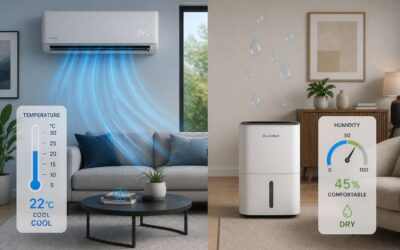
Meanwhile, dehumidifiers act as moisture modulators, reducing the damp environments where mold thrives with relentless efficiency. They target the root cause—excess humidity—making spaces inhospitable to mold growth. For comprehensive mold management, many experts advocate a dual approach, employing both an air purifier or dehumidifier for mold to create a synergistic barrier. After all, controlling humidity and filtering the air are twin pillars in the fight against unseen mold infestations.
Dehumidifiers and Their Role in Mold Remediation – Reducing Indoor Humidity Levels
Choosing between an air purifier or dehumidifier for mold depends on the specific needs of your indoor environment. While an air purifier with HEPA filters and activated carbon can trap mold spores and airborne pollutants, it’s not enough on its own. Reducing indoor humidity levels is equally vital, as mold needs moisture to thrive. Dehumidifiers excel at this—they lower dampness and make spaces inhospitable for mold growth.
For effective mold control, many experts recommend a dual approach. Using a dehumidifier to keep humidity below 50% can significantly hinder mold development, while an air purifier or dehumidifier for mold helps manage existing spores and prevent new ones from spreading. This combination creates a comprehensive barrier—addressing both moisture and airborne contaminants in your home.
- Assess your environment’s humidity levels
- Select a dehumidifier capable of handling your space’s size
- Consider an air purifier or dehumidifier for mold equipped with HEPA filters and activated carbon
- Maintain consistent humidity and air quality checks
When to Use an Air Purifier vs. a Dehumidifier – Combining Both for Optimal Results
Choosing between an air purifier or dehumidifier for mold depends on your specific environment. An air purifier with HEPA filters and activated carbon can effectively trap mold spores and airborne pollutants, reducing their spread. However, it doesn’t address the root cause—excess moisture that fuels mold growth. That’s where a dehumidifier comes in. It reduces dampness, making spaces less hospitable for mold to thrive.
In many cases, using both devices together offers the best results. A dehumidifier for mold keeps humidity levels below 50%, preventing mold from developing. Meanwhile, an air purifier or dehumidifier for mold manages existing spores and stops new ones from circulating. This dual approach delivers a comprehensive solution—controlling moisture and airborne contaminants simultaneously.
- Assess your environment’s humidity levels regularly.
- Select a dehumidifier capable of handling your space’s size.
- Consider an air purifier or dehumidifier for mold that features HEPA filters and activated carbon.
When deciding between an air purifier or dehumidifier for mold, remember that combining both devices often delivers the most effective mold control. Monitoring humidity and maintaining air quality is crucial to creating a healthy, mold-free home.
Features to Look for in an Air Purifier for Mold
HEPA Filtration for Mold Particulates – Capturing Mold Spores Effectively
When tackling mold, a good air purifier or dehumidifier for mold isn’t just a luxury — it’s practically a necessity. But not all devices are created equal. The secret sauce lies in HEPA filtration, which is the gold standard for capturing mold particulates. These filters trap airborne mold spores with the precision of a ninja, preventing them from settling into your home’s nooks and crannies.
Look for an air purifier or dehumidifier for mold that boasts HEPA filters capable of filtering out particles as tiny as 0.3 microns. This ensures that even the sneakiest mold spores don’t escape. Additionally, some models come with activated carbon filters, which are excellent at tackling musty odors and volatile organic compounds that often accompany mold infestations.
For optimal mold control, consider devices with features like adjustable fan speeds, real-time air quality monitoring, and easy filter replacement. After all, what’s the point of investing in an air purifier or dehumidifier for mold if it’s not doing its job effectively? Remember, a combination of strong HEPA filtration and strategic dehumidification creates a formidable barrier against mold’s relentless march.
VOC Removal and Activated Carbon Filters – Addressing Odors and Mold Stains
When it comes to battling mold, choosing the right air purifier or dehumidifier for mold is akin to selecting a finely tailored suit—precision and purpose are everything. One feature that can elevate your device from mere gadget to mold-fighting marvel is an advanced activated carbon filter. These filters are not just about banishing musty odors but also about tackling the stubborn stains that mold leaves behind, transforming your environment from a source of concern to one of comfort.
Look for an air purifier or dehumidifier for mold that integrates activated carbon filters alongside HEPA filtration. This combination creates a formidable barrier against airborne mold spores and the volatile organic compounds that often accompany mold infestations. Some models even boast customizable settings, allowing you to adjust fan speeds and monitor real-time air quality—features that make mold control both effective and effortless.
In essence, the most effective devices for mold remediation don’t solely rely on particulate capture; they also address the odors and chemical residues that mold leaves in its wake. The strategic inclusion of activated carbon filters ensures your air purifier or dehumidifier for mold not only purifies but also revitalizes your living space, making it inhospitable to mold’s persistent advance.
Air Exchange Rate and Room Size Compatibility – Ensuring Proper Coverage
When hunting for the perfect air purifier or dehumidifier for mold, understanding the importance of the room’s size and air exchange rate is paramount. Think of it as fitting a square peg into a square hole—no point in buying a device that’s better suited for a closet if your living room resembles a small ballroom. An inadequate air exchange rate means stale, mold-laden air just circles around, giving mold spores ample time to settle in and wreak havoc.
To ensure your device is up to the task, focus on models with a high air exchange rate tailored to your room’s dimensions. For example, a room measuring 30 square meters might require an air purifier or dehumidifier for mold that can process at least 300 cubic meters of air per hour. This ensures continuous removal of airborne mold spores and odors, preventing mold from gaining a foothold.
In addition, compatibility with your space isn’t just about raw power. It’s about smart design—features like adjustable fan speeds and real-time air quality monitoring help you fine-tune your mold-fighting arsenal. Remember, a device that’s too powerful for a small room might generate unnecessary noise, while one too weak won’t do the job. So, choose wisely—your lungs and your decor will thank you!
Additional Features – Night Mode, Quiet Operation, and Smart Connectivity
When selecting an air purifier or dehumidifier for mold, understanding the additional features that enhance their effectiveness can make all the difference. Night mode, quiet operation, and smart connectivity are often overlooked but vital in creating a healthier indoor environment. A device with night mode ensures that your sleep remains undisturbed while continuously battling mold spores lingering in the air. Quiet operation is equally important—no one wants a noisy machine disrupting the serenity of their home, especially when fighting mold’s subtle invasion.
Smart connectivity takes this a step further, allowing you to monitor air quality in real-time via your smartphone. Imagine adjusting fan speeds or scheduling operation remotely, all while ensuring your space remains mold-free. For those who value convenience and peace of mind, these features turn a basic air purifier or dehumidifier for mold into an intelligent ally in your home’s defense against mold growth.
Some models also offer adjustable fan speeds, enabling you to customize airflow based on your current needs. This flexibility not only boosts efficiency but also prevents unnecessary noise and energy consumption. In the end, choosing a device packed with these thoughtful features transforms mold prevention from a chore into a seamless part of daily life, making your home safer and more comfortable for everyone inside.
Features to Consider in a Dehumidifier for Mold Prevention
Capacity and Coverage Area – Choosing the Right Size
When selecting an air purifier or dehumidifier for mold, understanding capacity and coverage area is paramount. A device that’s too small will struggle to keep pace with your indoor humidity or mold spores, rendering your efforts futile. Conversely, an oversized model might be an unnecessary expense, consuming power and space without delivering proportional benefits.
To prevent mold effectively, choose a dehumidifier that matches the size of your room. For larger spaces, a unit with higher capacity—measured in pints of moisture removed per day—is essential. Typically, rooms over 500 square feet demand a dehumidifier with a capacity of at least 50 pints or more. For smaller rooms or bathrooms, a compact model will suffice, but always verify that the coverage area aligns with your needs.
- Ensure the device’s airflow rate and humidity removal capacity suit your space.
- Check the room coverage specifications—this is a decisive factor for optimal mold prevention.
Matching your air purifier or dehumidifier for mold to your environment isn’t merely about size; it’s about precision. A well-chosen device guarantees a healthier indoor atmosphere, free from the lurking menace of mold spores and excess humidity, making your home both safer and more comfortable.
Humidity Control Settings – Maintaining Optimal Indoor Levels
Choosing the right dehumidifier for mold prevention isn’t solely about size—it’s about precision and control. The humidity control settings are the silent guardians of your home’s health, meticulously maintaining optimal indoor levels that prevent mold spores from taking hold. When the device’s settings are calibrated correctly, it becomes a vigilant sentinel, reducing excess moisture without stripping the air of vital humidity.
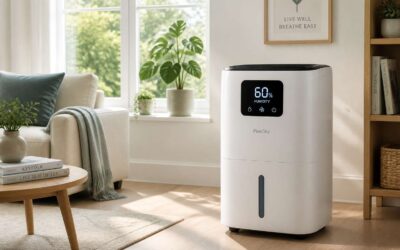
Many advanced models offer humidity control that can be precisely adjusted, typically between 30-50%. This range is crucial; too dry, and the air becomes uncomfortable and potentially harmful, too moist, and mold finds fertile ground. Look for a dehumidifier for mold that features an easy-to-read humidistat, ensuring your environment remains in that delicate balance.
- Accurate humidity sensors
- Automatic shut-off and restart functions
- Digital display for easy monitoring
Such features not only optimize mold prevention but also enhance your home’s overall comfort. The moral imperative lies in creating a living space where mold cannot thrive—a sanctuary built on the foundation of meticulous humidity control. When you invest in a device with these thoughtful features, you’re forging an unbreakable barrier against the insidious spores that threaten health and well-being.
Energy Efficiency and Operating Costs – Long-term Savings
In the realm of mold prevention, energy efficiency isn’t just an eco-conscious choice—it’s a pragmatic necessity. A dehumidifier for mold that consumes less power ensures long-term savings, transforming a simple device into a wise investment. When selecting a model, consider the balance between performance and operational costs, as an inefficient unit can drain household budgets over time.
Advanced dehumidifiers often feature energy-saving modes and intelligent sensors that optimize power consumption without sacrificing efficacy. Look for units with adjustable humidity control settings, as these allow precise regulation, preventing unnecessary energy expenditure. Some models even come with programmable timers, ensuring the device operates only when needed, adding to your home’s energy conservation efforts.
- Energy-efficient motors that adapt to room conditions
- Automatic shut-off when optimal humidity is reached
- Low power consumption during continuous operation
This thoughtful integration of features not only enhances the dehumidifier’s role in mold prevention but also ensures your home remains a sanctuary of comfort and health. By choosing an air purifier or dehumidifier for mold with these attributes, you embrace a future where safety and sustainability walk hand in hand—making every watt work towards a mold-free haven.
Additional Features – Auto-Drain, Filter Indicators, and Portability
When battling the unseen menace of mold, every feature in an air purifier or dehumidifier for mold can make a decisive difference. Additional features like auto-drain systems eliminate the hassle of manual emptying, ensuring continuous operation without interruption. This seamless functionality is vital when mold spores lurk in every corner, waiting for the slightest lapse in humidity control.
Filter indicators serve as vigilant sentinels, alerting you when it’s time to replace or clean your device’s filters—an essential step in maintaining optimal mold prevention. Portable designs add a layer of convenience, allowing you to relocate the air purifier or dehumidifier for mold to trouble spots where humidity spikes or mold spores are most active. This mobility ensures your efforts are targeted and effective, especially in larger South African homes where airflow can be unpredictable.
- Auto-Drain: Keeps your device running uninterrupted by automatically removing collected water.
- Filter Indicators: Signal when filters need attention, maintaining peak filtration efficiency.
- Portability: Lightweight and easy to move, allowing flexible placement for comprehensive mold control.
These features aren’t just bells and whistles—they are the backbone of a resilient mold prevention strategy. When combined, they empower your air purifier or dehumidifier for mold to operate smarter, longer, and more effectively, turning your home into a safe haven against mold’s silent invasion.
Effectiveness of Air Purifier and Dehumidifier Combinations
Synergistic Benefits – Comprehensive Mold Control
When harnessed in harmonious tandem, the air purifier or dehumidifier for mold becomes an indomitable fortress against the silent invasion of spores and dampness. The true magic unfolds in their synergy—each augmenting the other’s prowess, forging a comprehensive shield that painstakingly eradicates mold at every vulnerable juncture. While an air purifier captures airborne mold spores with HEPA precision, the dehumidifier saps the moisture that fuels mold’s insidious growth. Together, they perform a ballet of purification and dryness, transforming once-stagnant corridors into sanctuaries of pristine air.
Imagine a room where spores are swiftly snatched from the atmosphere, and humidity levels are meticulously maintained—this is the essence of their combined effectiveness. An optimal pairing ensures that mold does not find refuge in damp corners or on hidden surfaces. It’s not merely about removing the visible but about addressing the root environment that sustains mold’s relentless advance. For homes plagued by persistent mold issues, investing in both the air purifier or dehumidifier for mold creates a layered, resilient barrier—one that is both dynamic and enduring.
Optimal Usage Scenarios – Basements, Bathrooms, and Attics
In environments prone to dampness, such as South African homes with high humidity, the combination of an air purifier or dehumidifier for mold can be nothing short of transformative. These devices work synergistically, transforming seemingly benign spaces into inhospitable zones for mold growth. When used together, they create a formidable barrier—air purifiers capturing airborne spores while dehumidifiers starve mold of the moisture it needs to thrive.
Particularly in areas like basements, bathrooms, and attics, where dampness and poor ventilation are common, this duo proves to be indispensable. Humidity levels in these spaces can quickly escalate, providing a fertile ground for mold to flourish. An optimal pairing ensures that spores are swiftly removed from the air, while moisture is kept in check, disrupting mold’s sinister cycle at every turn. This dual approach not only safeguards indoor air quality but also preserves the structural integrity of your home.
For homes battling persistent mold issues, deploying an air purifier or dehumidifier for mold in these high-risk zones offers a layered defense. It’s not enough to merely address surface mold; targeting the environment itself guarantees a more resilient, long-term solution. The battle against mold is relentless, but with the right combination of devices, victory is within reach—transforming your living space into a sanctuary of freshness and health!
Maintaining a Mold-Free Environment – Routine Maintenance Tips
The symbiotic relationship between an air purifier or dehumidifier for mold and the environment it’s designed to protect is often underestimated, yet it’s profoundly effective when executed with precision. In spaces where moisture and airborne spores intersect—such as South African homes facing high humidity—these devices don’t just work; they orchestrate a silent revolution of indoor air quality. Their combined efficacy lies in their ability to intercept mold’s most insidious tactics: airborne spores and excess moisture that fuel its proliferation.
Routine maintenance is the cornerstone of maintaining a mold-free environment. A vigilant approach involves regularly replacing HEPA filters in your air purifier or dehumidifier for mold, ensuring optimal capture of microscopic spores. Additionally, keeping vents clean and inspecting drainage systems prevents the buildup of moisture that can undermine your efforts. For those seeking longevity in their mold prevention arsenal, adhering to manufacturer-recommended humidity levels—generally between 30% and 50%—creates an inhospitable climate for mold growth.
- Monitor humidity levels consistently with a reliable hygrometer, adjusting your dehumidifier’s settings to prevent excess dampness.
- Clean filters and air exchange outlets monthly to sustain peak performance of your air purifier or dehumidifier for mold.
- Ensure proper placement—positioning units centrally within high-risk zones maximizes airflow and coverage, eliminating dead spots where mold spores might settle.
By integrating these practices into daily routines, homeowners transform their living spaces into resilient fortresses against mold intrusion. It’s a delicate dance of technology and vigilance—each element reinforcing the other—turning what once was a chronic problem into a controlled, almost imperceptible balance. The ongoing battle against mold demands more than passive equipment; it calls for an active, conscientious commitment to environmental stewardship, with your air purifier or dehumidifier for mold leading the charge.
Budgeting and Cost Considerations
Price Range and Value – Affordable Options vs. High-End Devices
When considering an air purifier or dehumidifier for mold, understanding the budget and cost implications is crucial. Prices for these devices can vary widely, making it essential to weigh affordability against long-term value. Basic models designed for small spaces may cost as little as R1,500, offering a budget-friendly solution for those with limited funds. However, larger or more advanced units, equipped with features like smart connectivity and higher capacity, can range up to R10,000 or more.
While opting for a high-end device might seem like a splurge, the investment often pays off in energy efficiency, durability, and enhanced mold control. Affordable options may suffice for minor mold issues, but for persistent problems or larger areas, a higher-end device ensures thorough remediation and peace of mind. Balancing price range and value involves assessing your specific needs—such as room size, humidity levels, and the severity of mold infestation—to find the right air purifier or dehumidifier for mold that delivers effective results without breaking the bank.
Operational and Maintenance Costs – Filters, Replacements, and Energy Use
Investing in an air purifier or dehumidifier for mold is more than a purchase—it’s a commitment to breathing cleaner, healthier air. Yet, understanding the ongoing operational and maintenance costs can be just as vital as selecting the right device. These costs often quietly accumulate, influencing your long-term budget while ensuring your home remains a fortress against mold.
Filters and replacements are a primary consideration. HEPA filters, for instance, require periodic changing—anywhere from every 6 to 12 months—depending on usage and air quality. Activated carbon filters, essential for VOC removal and mold stain mitigation, also need timely replacement to maintain efficacy. Additionally, energy consumption plays a pivotal role—more advanced or larger units tend to use more power, which can impact your monthly electricity bill. To help manage these expenses, consider models with filter indicator lights and auto-Drain features that optimize maintenance cycles.
For those seeking a seamless balance between cost and performance, here’s a quick overview:
- Filter replacement frequency and costs
- Energy efficiency and power consumption
- Durability and lifespan of the device
Choosing an air purifier or dehumidifier for mold isn’t solely about initial price; it’s about the holistic picture—how well it performs over time and the hidden costs that come with upkeep. When these factors align, your home becomes a sanctuary where mold has no foothold, and fresh air reigns supreme.
Longevity and Warranty – Ensuring Long-Term Reliability
Investing in an air purifier or dehumidifier for mold isn’t merely a fleeting purchase; it’s a pledge to safeguard your sanctuary against unseen invaders. As you ponder the long-term journey, budgeting and cost considerations become vital navigation tools. The true test lies in the device’s longevity and the assurances offered by warranties—silent guardians of your investment’s durability. A well-chosen model, covered by a robust warranty, can often serve you faithfully for years, reducing replacement costs and fostering peace of mind.
Moreover, the lifespan of these devices hinges on quality craftsmanship and proper maintenance. Some units boast features like auto-Drain or filter indicators that extend operational life and simplify upkeep. When selecting an air purifier or dehumidifier for mold, it’s wise to evaluate not only the initial price but also the ongoing expenses—such as filter replacements and energy consumption. A device with a reputable warranty, paired with reliable performance, becomes an invaluable ally in maintaining a mold-free environment over the long haul.
Ultimately, the harmony between affordability, durability, and warranty coverage crafts a resilient shield against mold. Ensuring your investment is fortified with comprehensive guarantees and a clear understanding of long-term costs transforms your home into a bastion of fresh, healthy air—where mold stands no chance.
Additional Tips for Mold Prevention in Homes
Ventilation and Air Circulation – Improving Indoor Air Quality
Proper ventilation is a cornerstone of mold prevention in South African homes. Good air circulation helps reduce indoor humidity, making it harder for mold to settle and grow. Installing exhaust fans in bathrooms and kitchens can significantly improve air flow, especially in areas prone to moisture buildup.
In addition, opening windows regularly creates natural cross-ventilation that refreshes indoor air and expels excess moisture. For spaces that tend to retain humidity, a reliable air purifier or dehumidifier for mold can be a game-changer. These devices work together to maintain optimal indoor air quality and prevent mold spores from settling.
Remember, maintaining a consistent room humidity level between 40-50% is vital. Using a hygrometer helps monitor this, ensuring your home stays inhospitable to mold growth. Good ventilation combined with an air purifier or dehumidifier for mold is your best defense against hidden moisture problems.
Fixing Leaks and Moisture Problems – Addressing Water Intrusion
While the battle against mold often feels like an endless game of whack-a-mole, addressing water intrusion is a strategic move that cannot be overlooked. Leaks, whether from a stubborn pipe or a leaky roof, serve as the golden ticket for mold spores to colonize and thrive. Ignoring these moist invitations only invites trouble down the line, with the potential for health issues and costly repairs. In South Africa’s humid climate, fixing leaks promptly and thoroughly is essential to maintain a healthy indoor environment.
To effectively combat hidden moisture, it’s wise to inspect areas prone to water accumulation—think under sinks, around windows, and behind appliances. Installing moisture sensors or using a hygrometer can alert homeowners to rising humidity levels before mold becomes visible. For spaces with persistent dampness, the combined use of an air purifier or dehumidifier for mold can be transformative. These devices work silently in the background, capturing mold spores and reducing excess moisture, thus acting as an invisible shield against mold growth.
In some cases, addressing water issues may involve a simple list of steps:
- Identify and repair leaks immediately.
- Improve drainage around the property to prevent water ingress.
- Increase ventilation to dry out damp areas naturally.
Remember, a proactive approach—paired with the strategic use of an air purifier or dehumidifier for mold—is your best defense for a home that remains unwelcoming to mold spores. After all, preventing moisture intrusion is the cornerstone of a healthy, mold-free sanctuary.
Cleaning and Regular Inspection – Keeping Mold at Bay
Maintaining a mold-free haven isn’t just about buying the latest gadget; it’s about consistent vigilance and smart choices. Regular cleaning and inspection are your secret weapons in the fight against mold. Think of it as giving your home a health check-up—minus the stethoscope. Spotting early signs of mold can save you a bundle of trouble and a mountain of cleaning headaches.
To keep mold at bay, consider these proactive steps: first, check those often-overlooked spots—under sinks, behind appliances, and around windows. Moisture sensors or a hygrometer can be your home’s silent sentinels, alerting you when humidity levels spike. When dampness stubbornly persists, an air purifier or dehumidifier for mold becomes your best friend, quietly capturing mold spores and drawing excess moisture out of the air.
- Inspect and repair leaks immediately—don’t let water get comfortable in your home.
- Enhance ventilation, especially in high-humidity zones like bathrooms and kitchens.
- Schedule routine cleaning to remove mold spores before they take hold.
Remember, a little routine maintenance goes a long way in keeping mold at bay. Plus, coupling regular inspections with the strategic use of an air purifier or dehumidifier for mold creates an environment where mold spores simply don’t stand a chance. After all, prevention is the most cost-effective cure for mold mischief in South African homes!
0 Comments