
Understanding Nasal Congestion and Humidity
How Air Moisture Affects Nasal Passages
Twelve percent of adults in Johannesburg report sinus pressure every winter. Here is the physical reality: your nasal passages are lined with a delicate membrane that must stay moist. When relative humidity drops below that threshold, the membrane dries, and mucus becomes viscous. A stuffy nose then blocks airflow entirely.
Yet too much moisture reverses the problem. High humidity encourages that same membrane to swell, narrowing the airway. I have watched patients swing between both extremes, never finding relief.
- Dry air thickens mucus
- Humid air inflames tissue
- Balance eases breathing
Choosing a humidifier or dehumidifier for stuffy nose depends on your local climate and your specific congestion pattern. Neither device is universally superior.
The Science of Mucus and Moisture Balance
Your sinuses produce about a liter of mucus daily, most of it swallowed without notice. That mucus contains mucins, which are proteins that give it structure. When humidity falls, mucins pack together tightly, making the mucus dense and slow-moving. This is where the humidifier or dehumidifier for stuffy nose debate gets practical. I have seen patients assume more moisture always helps, but that assumption fails when tissue swelling is the real culprit.
Consider the mechanics:
– Low humidity causes water to evaporate from the mucus layer, concentrating mucins
– High humidity can over-hydrate the tissue, causing it to swell
– The ideal state keeps mucus thin without triggering inflammation
Mucus viscosity also depends on temperature. Cold air reduces the activity of enzymes that break down mucins, so winter congestion in Johannesburg often feels worse even at normal humidity levels.
Symptoms That Worsen with Dry Air
Every dry winter morning in Johannesburg, I hear the same description from patients: a nose that feels blocked, pressure behind the eyes, a constant need to sniffle. These symptoms appear before any mucus problem develops, and they signal that the nasal passages are reacting to parched air.
Symptoms that worsen with dry air include:
- Persistent nasal tingling that fades when humidity rises
- Waking with a dry, scratchy throat alongside congestion
- Recurrent nosebleeds or crusting that medication cannot fix
Each of these signals points toward a moisture imbalance rather than an infection. When the air in your bedroom or office lacks water vapour, the nasal lining loses its protective film. This is precisely when the humidifier or dehumidifier for stuffy nose question becomes relevant, because the wrong choice can make these symptoms worse.
Symptoms That Worsen with Humid Air
Humid air creates its own form of nasal congestion. Excess water vapour causes the nasal lining to swell, trapping mucus in narrow passages. The result is a heavy, persistent stuffiness that often worsens at night. Symptoms that worsen with humid air include:
- A blocked nose that remains congested after proper sleep
- Headache behind the eyes when humidity levels climb
- Thick discharge that suggests dust mites or mould activity
These patterns point to too much airborne moisture. A bedroom with poor ventilation or a frequently used bathroom can trigger this state. The correct humidifier or dehumidifier for stuffy nose depends on identifying the exact trigger. Using the wrong device makes the problem worse. I have seen patients purchase a humidifier and experience deeper congestion, then switch to a dehumidifier and notice improvement within days. The line between dry air and humid air symptoms is sharp, so reading your nose carefully matters.
Ideal Indoor Humidity Levels for Respiratory Health
Nearly 40% of South African households measure indoor humidity outside the range that keeps breathing easy. The nasal lining is sensitive, and it responds to every shift in airborne moisture. I have learned to read my own sinuses before trusting a dial. Understanding nasal congestion and humidity means accepting that this balance changes daily, especially in our variable climate. Choosing a humidifier or dehumidifier for stuffy nose starts here.
Ideal indoor humidity levels for respiratory health range roughly from 40% to 60%. Coastal mornings bring excess moisture, while Highveld winters drain every drop. To know which device serves you, watch how your breathing shifts after two hours indoors:
- Notice if your nostrils feel tacky or overly wet.
- Track whether your sleep improves when windows stay closed.
- Ask if your sinuses feel heavier after cooking or showering.
That observation guides whether a humidifier or dehumidifier for stuffy nose belongs in your bedroom. The device should correct the air, not mask the problem.
When to Use a Humidifier for Stuffy Nose
Signs You Need More Moisture in the Air
Waking up with a parched throat and congested sinuses is a particular kind of misery. When the air in your Johannesburg bedroom drops below 30% relative humidity, your nasal mucosa loses its protective moisture film. You might notice that your nostrils feel raw, that your breath sounds wheezy, or that a persistent tickle forces you to swallow repeatedly. These are subtle warnings, not random annoyances!
- Your lips crack by mid-morning despite drinking water.
- You find yourself breathing through your mouth more often, especially at night.
- Static electricity clings to your clothes and hair.
If these signs appear, I have learned that choosing a humidifier or dehumidifier for stuffy nose relief depends on your exact situation. But before investing in any device, observe whether your symptoms ease after spending time outside in the morning mist. That contrast often reveals whether your home environment is too dry.
Best Room Conditions for a Humidifier
Of all the rooms in a South African home, the bedroom is the proving ground for any humidifier or dehumidifier for stuffy nose. In my experience, the decision to switch on the humidifier happens when a night of sleep leaves your sinuses feeling like old leather. The best room conditions for a humidifier start with a closed door and a thermostat around 20°C. Humidity levels should stay between 40% and 50%, a range that supports mucosal function without fogging windows. Placement matters:
- One metre from the bed, aimed at the centre of the room.
- Elevated on a side table, not the floor.
These conditions allow the mist to disperse evenly. Use a hygrometer to confirm the range. If morning congestion persists, the air may be too dry or too damp, which signals that a humidifier or dehumidifier for stuffy nose requires adjustment. That adjustment makes all the difference!
Types of Humidifiers: Cool Mist vs. Warm Mist
Few Capetonians think about the air’s water content until a stubborn blockage forces a night of mouth breathing. That is the moment to deploy a humidifier or dehumidifier for stuffy nose.
But which one? Cool mist excels during our humid summers, adding a gentle vapour that eases swollen nasal passages. Warm mist shines in winter, when the ambient air holds little moisture. When should you switch it on?
- You wake with a parched throat.
- Your nostrils feel dehydrated.
- You find yourself mouth breathing daily.
For most rooms, cool mist delivers consistent relief, while warm mist offers a soothing warmth for sensitive sinuses.
How to Use a Humidifier Safely for Nasal Relief
After a dry Highveld winter evening, a stubborn nose at 2 a.m. rarely asks for a machine. The real question is whether your room holds too little water or too much. That is when a humidifier or dehumidifier for stuffy nose earns its place. For most dry evenings, a cool mist unit works best. Switch it on 20 minutes before sleep, not all day, so the vapour eases swollen passages without soaking the room.
Safe use demands attention. Place the device a meter from the bed, angled away from your face. Clean the tank every three days. Vinegar dissolves mineral film and prevents mould from entering your nostrils. Track humidity. Keep it between 40% and 45%. Above 50%, the air becomes heavy, and you need a dehumidifier instead. A humidifier or dehumidifier for stuffy nose only relieves congestion when the machine matches the air’s actual state.
Cleaning and Maintenance to Prevent Mold
Most owners ignore the water tray until a musty odour drifts from the machine. By then, biofilm has colonised the reservoir. That film becomes an aerosolised irritant, worsening the congestion you hoped to resolve.
A humidifier or dehumidifier for stuffy nose needs a cleaning rhythm matched to your water. Johannesburg municipal supply leaves mineral scale; borehole water adds organic sediment. Inspect the tank every morning at refill time. Visible slime means your cleaning interval is too long.
If you suspect contamination, check for these signs:
- a sour smell when the unit runs
- a sticky film on the water surface
- discolouration on the wick or filter
Mould prospers in warm, stagnant water. A humidifier or dehumidifier for stuffy nose that has been idle for a week should be emptied, dried, and wiped before its next session. Running a dirty machine directs spores straight into already inflamed nasal passages.
When to Use a Dehumidifier for Stuffy Nose
Signs You Need Less Moisture in the Air
Your nose feels stuffed, yet the air sits heavy with moisture. I have watched friends struggle through sticky January nights in Durban, where a humidifier or dehumidifier for stuffy nose becomes a daily puzzle. When indoor humidity climbs above 60 percent, the symptoms you already know may not be the only clue. The house itself begins to show the strain, and these signs point toward needing a dehumidifier instead:
- Water droplets cling to window panes every morning
- A lingering musty odour develops in wardrobes or cupboards
- Dust mite allergies flare up despite frequent cleaning
In such conditions, pulling moisture from the air often reduces congestion more effectively than pumping it in. Balanced dryness tends to offer greater relief, especially when outdoor humidity already feels oppressive.
How Excess Humidity Triggers Allergies and Congestion
Excess humidity turns indoor air into a suspension of allergens. Dust mites thrive when relative humidity stays above 60 percent, and their waste particles directly irritate nasal membranes. Mould spores join in quickly, triggering histamine release and swelling the turbinates. That is when the choice between a humidifier or dehumidifier for stuffy nose becomes clear: you need to remove moisture, not add it. Running a dehumidifier lowers the dew point, starves dust mites, and reduces the concentration of airborne irritants.
In coastal South African cities, where summer nights bring heavy dew, a dehumidifier often relieves congestion within a few days. However, a humidifier or dehumidifier for stuffy nose should only be chosen after checking the actual indoor humidity. If the hygrometer reads persistently above 60 percent, the dehumidifier wins!
Choosing the Right Dehumidifier for Your Space
When the hygrometer remains pinned above 60 percent, humidity is the aggressor. The humidifier or dehumidifier for stuffy nose choice resolves itself: moisture must be extracted, not added. Coastal South African summers create this scenario nightly, where dew point spikes and congestion follows.
Choosing the right dehumidifier for your space is a precision exercise. Measure the room’s volume and recognise that extraction rate drives efficacy. A 20 litre unit suits a bedroom, while open-plan areas demand 50 litres. Consider the machine’s quietness, energy consumption, and continuous drainage.
- Rated litres per day
- Capacity match to room size
- Filter accessibility for cleaning
Positioning the unit near the main source of moisture improves performance. Consistent operation over several days yields results. The decision between a humidifier or dehumidifier for stuffy nose becomes simpler when the hygrometer data speaks clearly.
Placement and Usage Guidelines for Best Results
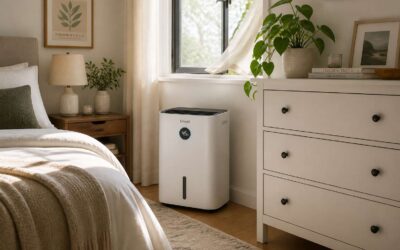
When the hygrometer remains above 60 percent for several evenings, the dehumidifier becomes your ally. Use it when congestion flares after rain or during coastal nights. Place the unit centrally, not against a wall, to allow air circulation. The humidifier or dehumidifier for stuffy nose choice resolves itself once you confirm moisture is the trigger.
Keep the machine running for at least 48 hours. Close doors and windows to create a sealed treatment zone. Place the outlet away from your sleeping position to avoid a direct draft. A portable unit near the wardrobe or ensuite doorway targets the worst damp pockets. For the humidifier or dehumidifier for stuffy nose question, trust the hygrometer data.
- Empty the water reservoir daily.
- Wash the filter every week.
- Check the humidity reading after each cycle.
Balancing Dehumidification with Ventilation
The humidifier or dehumidifier for stuffy nose becomes a matter of timing when the air thickens. Sealed rooms breed stagnation. Opening a window for ten minutes each morning lets stale air escape without surrendering the dehumidifier’s gains.
Ventilation is not an invitation for dampness to return. Use it strategically. A brief cross-breeze after rainfall, a crack in the bathroom window during evening showers. Then close everything again to let the machine finish its work.
- Ventilation works only when outdoor humidity falls below indoor levels.
- The dehumidifier must keep running during the treatment cycle.
- The hygrometer demands monitoring before and after each airing.
The humidifier or dehumidifier for stuffy nose choice leans toward dehumidification when these rhythms hold. The balance lives in the details, not in constant open windows or unrelenting machine hum.
Comparing Both Approaches for Nasal Relief
Quick Comparison: Humidifier vs. Dehumidifier Effects
Observe the room’s moisture before choosing a humidifier or dehumidifier for stuffy nose. Dry air parches nasal secretions into hard crusts, while damp air permits allergens to swell the mucosa. Your symptom pattern reveals which condition afflicts you. A persistent tickle and crackling dryness signal low humidity. A heavy, blocked pressure with sinus pain often accompanies excess moisture.
- Humidifier: increases moisture, thins mucus, and relieves irritation in arid environments.
- Dehumidifier: decreases humidity, reduces dust mites and mould, and eases congestion from allergies.
In South Africa, the seasonal change is stark. Winter heaters parch bedrooms; summer humidity clings to coastal homes. I always ask clients to check the hygrometer before changing anything. Match the device to the actual air, not to habit. That single step transforms the outcome!
Can You Use Both Devices in Different Rooms?
Within a single South African home, two climates often coexist. The bedroom withers under winter heater breath, while the bathroom drips with coastal summer humidity. For nasal relief, the choice between a humidifier or dehumidifier for stuffy nose need not be exclusive.
Consider the room’s immediate affliction. A dry, crackling congestion calls for added moisture. A heavy, allergen-laden blockage demands extraction. In one household, both devices might serve different chambers.
- Bedroom: humidifier for parched nasal passages
- Bathroom: dehumidifier for mould and dust mites
- Living area: monitor with a hygrometer before any action
This division acknowledges the body’s shifting needs. The nose does not inhabit one static atmosphere. It moves from dry study to damp kitchen, each space shaping the mucus differently.
Seasonal Factors That Decide Which One to Use
Comparing both approaches for nasal relief starts with the air itself. A humidifier or dehumidifier for stuffy nose each solves a different moisture problem. One adds water to the air, the other strips it away. Your nasal passages respond to whichever balance the room currently lacks.
Seasonal factors decide which one to use. Winter in Johannesburg turns heaters up and humidity down, leaving the mucous membranes cracked and desperate for vapor. Coastal summers in Durban keep humidity high for weeks, where dust mites multiply and congestion feels heavy. What a difference months make!
- Winter: reach for a humidifier when indoor air feels brittle
- Summer: use a dehumidifier when dampness hangs around for days
The choice shifts with the calendar, not with habit.
Monitoring Humidity with a Hygrometer
Your nose is a blunt instrument. It registers discomfort but rarely pinpoints the cause. A hygrometer removes guesswork by quantifying relative humidity. Below 40%, your stuffy nose likely stems from dried mucosa. Above 60%, excess moisture fuels allergens. The effectiveness of a humidifier or dehumidifier for stuffy nose depends entirely on which side of that scale you land on.
In summer, a home at 70% humidity for a week tempts you to run a humidifier out of habit, which thickens congestion. In July, heaters drop indoor humidity to 25%, and a dehumidifier would strip away the little moisture left. The hygrometer settles disputes before you plug anything in.
Typical readings guide decisions:
- Below 30%: mucus membranes crack
- Above 60%: dust mites and molds irritate nasal passages
- 40-60%: your nose works as intended
Using a humidifier or dehumidifier for stuffy nose becomes a matter of reading, not guesswork. A hygrometer provides that knowledge.
Alternative Remedies for a Stuffy Nose
Saline Sprays and Nasal Rinses
Most people reach for a device before they reach for a bottle of saline, yet the latter often delivers faster relief. Saline sprays and nasal rinses directly wash away irritants, dilute thick mucus, and calm inflamed passages. They work without waiting for a room’s air to change.
I have used both approaches in our dry Highveld winters. A quick rinse gave me clarity while my dehumidifier sat idle. Consider these benefits that surprised me!
- Sprays are portable, fitting into pockets for quick access.
- Rinses flush deeper into sinus cavities than any mist.
- They avoid the energy costs of running machines all night.
That said, such remedies merely supplement environmental control. Keep saline beside your humidifier or dehumidifier for stuffy nose, and let each serve its purpose.
Steam Inhalation Techniques That Mimic Humidifiers
Steam inhalation is the original roomless humidifier. Boiling water, a towel, and a face hovering at a safe distance can emulate the exact conditions of a store bought machine. The technique is simple, but the payoff is instant. I like to add a few drops of eucalyptus, not because science demands it, but because my bathroom smells like a spa. For a stuffy nose, steam works by warming the nasal passages and loosening the crusty debris. It is not a replacement for a humidifier or dehumidifier for stuffy nose, but it is a quick fix. Use these steps for safe practice:
- Place a bowl on a sturdy table and pour in freshly boiled water.
- Lean forward slowly, drape a towel over your head, and close your eyes.
- Breathe steadily through your nose for ten minutes, taking breaks when needed.
The moist heat performs the same job as a cool mist machine, but it also offers immediate relief. Just remember that steam cools quickly, so the effect is temporary. Pair this ritual with a proper device in the background, and your sinuses will thank you without the electricity bill.
Hydration and Diet Adjustments for Thinner Mucus
Your nasal passages produce about a litre of mucus daily, and you swallow most of it without noticing. That is why dehydration hits your nose so hard. Hydration is the cheapest mucolytic you will ever find. Dehydration turns mucus into a sticky substance that refuses to budge. Water thins it out, making breathing feel less like a negotiation. I won’t pretend a glass of water replaces a humidifier or dehumidifier for stuffy nose, but it certainly helps. Try these simple moves:
- Sip water steadily, not just when thirst hits.
- Eat cucumbers, watermelon, and oranges for their water content.
- Swap afternoon coffee for a mug of rooibos tea.
What you eat changes mucus viscosity. Spicy foods like chilli and horseradish encourage your nose to run, which clears out the gunk. Soups and broths deliver hydration and steam in one bowl. The air matters, but your fluid intake decides the outcome.
Sleeping Position Tweaks for Nighttime Relief
Sleeping flat lets gravity pool congestion in your sinuses. A simple tweak changes that. Prop your head with an extra pillow, enough to keep the airway above the chest. Side sleeping helps as well, since lying on the back compresses nasal passages. Some people find sleeping on the left side drains one nostril faster. A warm bath before bed opens the nasal membranes. Keep a glass of water nearby to sip during night wakings. If your bedroom has low moisture, a humidifier or dehumidifier for stuffy nose becomes a necessary addition. One night of improved posture can break a week of restless sleep. A firm neck pillow supports the cervical curve without kinking the throat. Try these positions:
- Elevated head with stacked pillows
- Left side sleeping for easier drainage
- Semi-reclined position using a wedge
The body’s own angle, along with room air, decides whether you wake clear-headed or clogged.
When to Consult a Doctor for Chronic Congestion
One restless night leads many people to consider a humidifier or dehumidifier for stuffy nose, yet the underlying cause could be something else entirely. When nasal blockage persists through the day, explore options that do not rely on moisture. Some practical alternatives include:
- Warm compresses over the cheekbones
- Sinus massage using gentle pressure
- Nasal strips to widen the airway
Chronic congestion demands a doctor’s input. If you experience symptoms for more than ten days, or you notice facial pain, green discharge, or reduced sense of smell, do not wait. These signs point to sinusitis or nasal polyps. A humidifier or dehumidifier for stuffy nose can temporarily relieve symptoms, but it cannot treat an underlying infection.


0 Comments