
Understanding Home Dehumidifiers
What a dehumidifier does in a home
In South Africa, indoor humidity can surge with monsoonal rain or simmer in sun-drenched rooms, turning comfort into a challenge. Understanding home dehumidifiers helps homeowners see how a compact appliance can restore balance, preventing damp odours and mould. The idea behind who house dehumidifier serves highlights real households where air feels heavy and walls sigh with moisture!
These devices pull humid air across a cooled coil, collect the water, and spit back drier air. Size matters, as capacity per day and energy use determine how gracefully a room breathes in SA homes.
- Low-noise operation for bedrooms and living spaces
- Energy-efficient models that respect monthly electricity costs
- Low-maintenance design with easy-to-clean filters
With the right balance, basements, lounges, and study corners can reclaim their air, turning damp vibes into crisp clarity.
Portable vs whole-home systems: key differences
Humidity in South Africa can surge with monsoon rains and linger in rooms, turning comfort into a challenge. A grasp of dehumidifiers shows how a compact device can restore balance, keeping damp odours at bay and mould away.
Portable dehumidifiers offer nimble relief in bedrooms and living spaces, while whole-home systems promise uniform dryness across an entire house. The differences matter because scale, installation, and daily use shape how gracefully a room breathes. Here are the core distinctions:
- Coverage and capacity
- Installation and space needs
- Energy use and running costs
- Maintenance and lifespan
Portables are plug-and-play, usually affordable upfront and easy to move as rooms shift. Whole-home setups demand professional integration with your HVAC, delivering balanced humidity but at a higher upfront price and more complex upkeep.
For households asking who house dehumidifier best serves, the answer lies in space, routine, and the cadence of SA damp seasons.
How to interpret dehumidifier capacity (pints per day)
South Africa’s damp season can creep through ceilings and corridors like a slow fog, yet a single number can anchor relief: capacity. The pints per day rating shows how much moisture a unit can pull from air in a 24-hour cycle. For those asking who house dehumidifier serves, capacity acts as the compass spoken in numbers rather than sighs.
To translate these numbers into space, consider this simple map:
- Small bedrooms, up to 15 m2: 10–20 pints per day
- Living areas, 15–30 m2: 20–40 pints per day
- Larger rooms or damp basements: 50–70 pints per day
Choose based on humidity levels and airflow. In SA, monsoon surges and lingering moisture tilt the need toward models that can deliver steady dryness without strain. A measured choice keeps the atmosphere balanced and rooms breathing softly.
Common myths about dehumidifiers
Humidity in SA’s damp season slinks through ceilings and corridors like a slow fog, yet a single number anchors relief. In homes where moisture whispers at the doorway, a dehumidifier steps in with quiet authority. For who house dehumidifier questions, myths persist, but the truth is simpler: balance emerges when we respect capacity, airflow, and the rhythm of a room.
Common myths about dehumidifiers in South African homes are stubborn, but they’re easy to unmask:
- Myth: Dehumidifiers must run non-stop to be effective.
- Myth: Any unit will do for any room.
- Myth: They’re only useful in colder months or basements.
Read beyond the rumor mill and you hear the soft hum of reason: proper placement, maintenance, and a model that aligns with space and humidity. The truth is more poetic than panic: home comfort breathes easiest when moisture is managed with intention.
Sizing and Placement Guidelines
Calculating required capacity for your space
Humidity spikes can transform a sunny room into a damp trap. In many South African homes, the moisture load peaks in subtropical summers, nudging RH toward uncomfortable levels. When deciding who house dehumidifier fits your space, sizing and placement are the first clues—get them right, and the unit hums like a guardian instead of a ghost at night.
Calculating capacity starts with the space: measure length, width, height, estimate moisture from cooking and showers, and note insulation. The bigger the room and the higher the moisture source, the more capacity you’ll need.
- Room volume (length × width × height)
- Moisture sources (kitchen, bathroom, rain)
- Ventilation and insulation quality
Placement matters: keep units at least 15 cm from walls, avoid blocking doors, and aim airflow toward damp zones. In open-plan areas, central placement helps reach every corner; in basements, locate near moisture hotspots with a clear exhaust path.
Matching room size to unit capacity
South Africa’s subtropical summers press humidity into every corner, turning bright rooms into damp theatres. ‘Air is a solvable problem,’ a designer told me, and the right sizing makes all the difference. For readers pondering who house dehumidifier benefits most, the answer lies in space, not gadgetry.
Start with room volume—length × width × height—and account for moisture from cooking or showers. The bigger the box and the larger the sources, the more capacity you’ll need.
Three quick checks keep sizing honest:
- Room volume and ceiling height
- Moisture sources (kitchen, bathroom, rain load)
- Ventilation and insulation quality
Placement matters: keep the unit at least 15 cm from walls, don’t block doors, and aim airflow toward damp zones. In open-plan spaces, central placement helps reach every corner; basements benefit from a clear exhaust path near moisture hotspots.
Humidify vs dehumidify: humidity targets and control strategies
In the subtropics of South Africa, humidity doesn’t politely knock; it barges in and lingers, turning sunlit rooms into damp theatres. Sizing and placement tame this cyclone, translating climate quirks into manageable air. Humidity targets—think 40–50% RH—become the compass by which we measure success, not the gadget’s bravado!
So, who house dehumidifier benefits most? The space itself; volume, layout, and moisture sources decide the balance between moisture pull and air movement.
Control strategies for humidify versus dehumidify hinge on recognizing moisture sources—cooking, showers, rain—and letting ventilation and insulation do the heavy lifting. The right balance is not a showy gadget but a well-read, breathable room.
Ideal placement for performance and safety
Humidity in a Subtropical South Africa home doesn’t wait for permission; it writes the weather on your walls. When sizing and placement align with the room’s rhythm, a dehumidifier becomes a quiet partner rather than a noisy intruder. For many households, the question who house dehumidifier benefits most is answered by a space’s volume, layout, and moisture sources; these factors shape how air circulates and how effectively the unit pulls damp air.
- Choose a level, hard surface with at least 15–20 cm of clearance around the intake and exhaust.
- Place near the dampest zones—laundry, bathrooms, or kitchens—to maximise air contact with moist air.
- Avoid blocking the unit with furniture or placing it behind doors; keep cords tidy to prevent accidents.
When placement respects the room’s flow, the device works quietly in harmony with the space—like a trusted companion keeping fabrics fresher and walls drier, one calm day at a time.
Efficiency, Costs, and Savings
Energy usage and efficiency ratings explained
Efficiency makes every breath a touch lighter. In South Africa’s humid coastal towns, a dehumidifier with a lean energy footprint becomes daily comfort, not a luxury. Energy usage is listed in watts and projected annual cost; the lower the watts, the kinder the bill. For those asking who house dehumidifier serves best, rhythm and room use decide.
- Lower wattage and quiet compressor
- Auto-defrost to reduce energy waste
- Efficient filtration that lightens the load on the fan
Costs go beyond the sticker price. A more efficient model may carry a higher upfront tag but saves on running costs as tariffs rise across SA.
Savings arrive as fewer damp smells, less mold, and longer-lasting fabrics—made possible by transparent energy usage and efficiency ratings explained. The right choice for a South African home balances capacity with a modest power draw, turning moisture into a memory and comfort into daily life.
Running costs compared to air conditioning or humidifiers
Efficiency is the quiet backbone of daily comfort for humid South African homes. For readers asking who house dehumidifier really serves, the answer hinges on rhythm and room use. Lean wattage, a whisper-quiet compressor, and an efficient filter lighten the load on the fan and reduce unnecessary energy waste.
- Lower wattage reduces running costs
- Auto-defrost minimizes energy waste
- Efficient filtration eases fan workload
Costs stretch beyond the sticker price. A more efficient model may carry a higher upfront tag, but it pays back as tariffs rise across SA and electricity bills climb. The math favors durable components and long-term reliability.
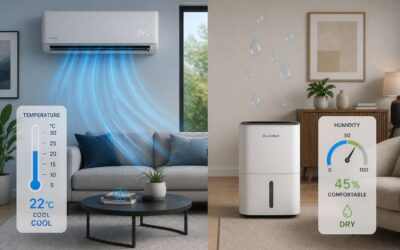
Savings show up as fewer damp smells, less mold, and better-preserved fabrics. Compared with air conditioning, a dehumidifier usually consumes far less energy for the same humidity control, and it outperforms standalone humidifiers by removing moisture instead of only circulating air.
Noise levels and user comfort
For readers asking who house dehumidifier really serves, the answer hinges on rhythm and room use. Efficiency is the quiet backbone of comfort in damp South African homes. Lean wattage, a whisper-quiet compressor, and an efficient filter lighten the fan’s load and curb energy waste.
- Lower wattage reduces running costs
- Auto-defrost minimizes energy waste
- Efficient filtration eases fan workload
Costs stretch beyond the sticker price. A more efficient model may demand a higher upfront tag, but it pays back as SA tariffs rise and electricity bills climb. Durable components, long-term reliability, and solid warranties win over the long haul.
Savings show up as fewer damp smells, less mold, and better-preserved fabrics. Noise stays a whisper, while the living space feels calmer and more welcoming. In varied SA climates, a well-chosen unit quietly stabilizes the home’s atmosphere and daily comfort.
Ways to maximize efficiency and extend unit life
Types and Features to Consider
Portable vs whole-house options
Humidity is the quiet saboteur of comfort, and in many South African homes it hovers around 60% indoors year-round. The question of who house dehumidifier fits your space emerges when boundaries matter—portable units for flexible rooms, or a whole-house setup that tucks into the house’s fabric.
Portable units are plug-and-go and budget-friendly; they excel in individual rooms and quick drying tasks. Look for features like auto-defrost, continuous drainage, and filter indicators. Whole-house dehumidifiers plug into the HVAC system, offering maintenance-free operation and a sense of a calm, unseen steward distributing comfort across the home—yet they require professional installation and higher upfront costs.
- Space and zoning
- Drainage options
- Noise and energy use
Refrigerant vs desiccant dehumidifiers
Two paths light your decision: refrigerant and desiccant dehumidifiers. In hot, damp South African homes, refrigerant models often deliver rapid relief and a compact footprint, while desiccants shine where nights stay cool.
Consider these features as you weigh models:
- Energy efficiency ratings and running costs
- Operating temperature range suitable for your space
- Maintenance needs and filter access
- Noise levels and placement in living areas
If you’re asking who house dehumidifier serves best in your home, the climate and room use will guide you. Refrigerant units are quick to deploy and neat; desiccants tolerate cooler hours and low-temperature basements.
Beyond that, the right choice treads a path between speed, efficiency, and quiet comfort.
Smart features and connectivity
Humidity isn’t just uncomfortable; it’s a silent disruptor in SA homes. A Cape Town HVAC pro likes to say, ‘Dry air is leverage you can measure.’ Smart features and connectivity let you tune comfort from your phone, so your space feels right the moment you walk in. For who house dehumidifier, the choice hinges on how you want to interact with the unit—quick adjustments or hands-off control, day and night.
- Wi‑Fi connectivity and mobile app control
- Smart scheduling that learns your routines
- Voice assistant compatibility and automatic firmware updates
These capabilities turn a simple appliance into an intelligent ally, quietly protecting walls, fabrics, and airflow. The right connectivity helps you balance energy use with comfort, whether you dwell in a cool coastal flat or a sunlit Johannesburg home. With these features, who house dehumidifier becomes less about a box and more about a connected shield against damp.
Maintenance-friendly design and filters
Types and features to consider for a who house dehumidifier go beyond capacity. A maintenance-friendly shell keeps performance high and clutter low, turning damp upkeep into a simple daily ritual. In South Africa’s varied homes—from cool Cape flats to sunlit Joburg lounges—easy upkeep is the real design advantage.
- Removable, washable pre-filters for simple cleaning
- Clear filter indicators that flag when to refresh
- Tool-free access to the cabinet for quick servicing
- Built-in drain option for hands-off operation
With these design hallmarks, the unit stays a steadfast ally, preserving walls, fabrics, and airflow across SA homes.
When to choose a professional installation
Types and features to consider when planning professional installation go beyond size. For a who house dehumidifier, installers evaluate air flow, ducting, and condensate management so performance isn’t compromised by everyday living. Across SA homes—from cool Cape flats to sunlit Joburg lounges—the right setup reduces leaks, lowers noise, and protects walls and fabrics without turning maintenance into a daily chore.
- Correct sizing and load calculations to match the space and climate.
- Drainage options (gravity drain or built-in pump) for hands-off operation.
- Noise reduction and secure mounting to suit open-plan rooms and compact apartments.
- Smart controls and service indicators for easy maintenance and monitoring.
With professional installation, the unit becomes a seamless part of the home, delivering steady humidity and long-term reliability.
Maintenance, Troubleshooting, and Benefits
Regular maintenance checklist
Humidity gnaws at the corners of a home, and in the dim glow of utility rooms, the who house dehumidifier answers with quiet mercy. Maintenance is the ritual that preserves its vigil, especially in South African homes where heat spawns moisture.
- Inspect filters and replace as needed
- Check coils and ensure unobstructed airflow
- Verify drainage paths and reservoir integrity
- Inspect seals and cabinet for wear or leaks
Troubleshooting flows like a midnight vigil. If frost forms, the unit seems sluggish, or noises sway the air, start with the basics: confirm power, check for airflow blockages, and verify placement for proper ventilation.
Benefits of regular upkeep spill into every room—steadier humidity, fresher air, and fewer musty corners. A well-tended unit breathes longer and quietly guards the home, turning a once oppressive climate into a tranquil, breathable atmosphere.
Health and mold prevention benefits
Maintenance isn’t glamorous, but it keeps the who house dehumidifier steady in SA heat. Regular upkeep preserves efficiency and lengthens service life, especially where damp air lingers in laundry rooms and tile-lined kitchens. A well-tended unit becomes a calm sentinel against creeping moisture.
Troubleshooting flows like a midnight vigil. If frost forms, the unit runs sluggishly, or odd noises drift through the air, the root often hides in the basics—power, airflow, and placement.
Benefits health and mold prevention: steadier humidity brings fresher air and fewer musty corners. When damp control holds, mold growth slows, condensation recedes, and the home feels lighter and healthier for every SA day.
Troubleshooting common issues and error codes
Humidity in SA homes can swing by as much as 15% on a scorching day, and maintenance keeps the who house dehumidifier humming in that heat. Regular filter cleaning, coil checks, and drainage inspection preserve efficiency and lengthen service life—especially where damp air lingers in laundry rooms and tile-lined kitchens.
Troubleshooting flows like a midnight vigil. If frost forms, the unit runs sluggishly, or odd noises drift through the air, the root often hides in the basics—power, airflow, and placement.
- E1 — Sensor/Electrical fault
- E2 — Airflow/Filter issue
- E3 — Drainage/Water management alert
When issues are addressed promptly, you enjoy steadier humidity, fresher air, and fewer musty corners. With the who house dehumidifier’s ongoing reliability, mold growth slows, condensation recedes, and the home feels lighter on every SA day.
When to call a pro or consider replacement
Maintenance isn’t a chore; it’s the charter that keeps the who house dehumidifier humming through SA heat. Regular filter cleaning, coil checks, and drainage inspection preserve efficiency and lengthen service life—a quiet guardian in laundry rooms and tile kitchens where damp lingers.
Troubleshooting flows like a midnight vigil. If frost forms, the unit slows, or odd noises drift through the air, look to basics: power, airflow, and placement. I’ve seen that a quick reboot or filter swap can fix many ills, saving a service call!
- Persistent frost or ice on coils
- Unit runs continuously or cycles erratically
- Humidity remains high despite correct settings and clean filters
- Visible water leaks or drainage problems
With care, the who house dehumidifier yields steadier humidity and fresher air. When to call a pro or consider replacement: if the unit is aging beyond 8–10 years, or if repairs approach replacement value, or if efficiency falls.

0 Comments