
Dehumidifier vs Air Cooler: Performance, Costs, and Use Cases
Performance and Efficiency
In SA homes, humidity lingers like a shadow—nights push humidity above comfortable levels, turning air into a veil. When weighing dehumidifier vs air cooler, the choice reveals its own atmosphere: one tames moisture, the other chills the room.
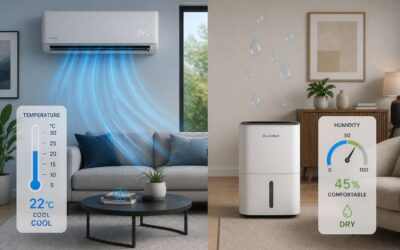
Performance and efficiency: I watch a dehumidifier relentlessly pull moisture from the air, lowering humidity and reducing mold risk. An air cooler relies on evaporation to create a cooler breeze, but it leaves behind more moisture in dry, well-ventilated spaces.
- Room humidity levels
- Ventilation and airflow
- Energy costs and maintenance
Use-case intuition matters. For damp basements or closets, a dehumidifier wins. For a hot, dusty loft with good airflow, an air cooler offers relief.
Costs and use cases: price and running costs vary by model and climate. In South Africa, a dehumidifier tends to justify its cost through durable humidity control, while a cooler offers rapid relief at a lower entry price.
Climate Suitability and Use Cases
Humidity in SA homes can surge past 60% on scorching nights, turning living spaces into a muggy refuge. When weighing dehumidifier vs air cooler, the choice reveals its own atmosphere: one strips moisture, the other tempers the heat!
Costs and upkeep vary by model and climate. A dehumidifier requires a bigger upfront investment and steady power use, but it delivers durable humidity control. An air cooler is cheaper to buy and easier to run, yet it adds moisture to dry rooms and relies on ventilation.
Use-case climate fits drive the decision. Damp basements or closets lean toward a dehumidifier, while hot, dusty lofts with good airflow can benefit from an air cooler. In South Africa, both tools shape comfortable living through practical, property-friendly choices.
- Costs and running costs
- Climate suitability
- Maintenance and space
Features, Technology, and Maintenance
Across South Africa’s sweltering nights, humidity often rises above 60%, turning rooms into muggy theatres. The choice between dehumidifier vs air cooler shapes the drama: one drains moisture, the other tempers heat with a whisper of mist. Modern models include smart sensors that respond to real-time conditions, balancing comfort with energy!
Features and technology diverge: dehumidifiers pull damp air through coils and condense it, while evaporative coolers rely on airflow and water evaporation. Maintenance is simple with portable units: rinse filters and drain tanks. The right unit thrives where airflow is good and rooms aren’t overwhelmed by moisture.
Costs tip the balance: a dehumidifier may demand an upfront investment and power use, yet it rewards durable humidity control. An air cooler shines on price and simplicity, but adds moisture and relies on ventilation. In SA homes, the choice between dehumidifier vs air cooler becomes a tale of space and air.
Cost, Durability, and Longevity
Across South Africa’s warmer nights, humidity can cling above 60%, turning bedrooms into muggy theatres that steal sleep. When it comes to dehumidifier vs air cooler, the choice isn’t simply about cooling; it’s about how a space breathes and feels. A smart unit learns a room’s rhythm, trimming damp air or coaxing a gentle breeze with quiet efficiency.
A dehumidifier carries a higher upfront price and steady energy use, but it pays back with reliable humidity control, keeping damp walls at bay. An air cooler wins on cost and simplicity, yet adds moisture and depends on airflow. Durability and longevity hinge on build quality and care.
Consider room size and ventilation when weighing the decision. Costs, durability, and longevity become the practical measures that guide a South African home toward lasting comfort.

0 Comments