
Choosing the Right Tub-Based Humidity Control Solution
How tub-style units work and where they fit
Choosing the right tub-based humidity control solution begins with sensing the room’s breath. “Humidity is the quiet thief of comfort,” a designer once told me, and in coastal South Africa that thief loves wardrobes and sunlit corners alike. A well-chosen tub can reclaim those spaces with quiet efficiency.
Tub-style units catch condensate in a shallow reservoir that sits under the unit or inside a compact cabinet; the water is kept in the tub while the dehumidifier does the heavy lifting. This approach suits spaces where drainage is tricky; dehumidifier tubs keep moisture contained and out of sight.
- Space fit
- Noise profile
- Design harmony
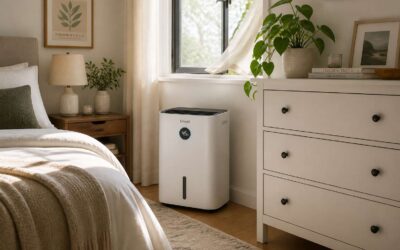
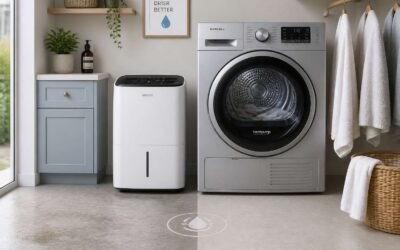
Where they fit: cupboards, laundry nooks, basements, and small rooms across South Africa—balancing air in wardrobes, garages, and workspaces.
In the right room, dehumidifier tubs balance dryness with quiet, magical grace.
Key performance metrics to evaluate
Humidity can turn a quiet room into a pressure cooker after sunset—coastal homes in South Africa often see RH rise into the upper 60s and 70s, threatening fabrics and wood. For spaces like cupboards or laundry nooks, dehumidifier tubs offer a contained solution. Choosing the right tub-based humidity control solution starts with the numbers that matter: how fast the unit moves the needle, and how quietly it works.
Key metrics to evaluate include capacity relative to room size, operating temperature range, energy use, and noise levels. Drain reliability matters too—the tub should trap condensate without causing a new disturbance.
- Moisture removal rate vs goal
- Energy efficiency and standby power
- Durability and ease of maintenance
Measuring these factors clarifies the fit, guiding the selection of dehumidifier tubs as a quiet, measured steward of damp spaces.
Sizing guides for different room types
Coastal humidity in South Africa can turn a quiet room into a pressure cooker after sunset, with RH slipping into the upper 60s. For contained spaces—cupboards, laundry nooks, and tidy corners—dehumidifier tubs offer a quiet, contained solution that protects fabrics and wood. Sizing starts with room load.
Room-type sizing guides translate load into numbers you can count on. For cupboards or laundry alcoves, a modest tub often suffices; larger spaces—garages or studios—demand higher capacity.
- Cupboards and wardrobes
- Laundry nooks
- Home offices and small studios
- Garages and storerooms
Ultimately, seek dehumidifier tubs whose capacity and operating range align with the space, delivering steady performance with minimal noise in a South African home.
Energy efficiency and operating cost considerations
Across South Africa, humid evenings can turn quiet rooms into pressure cookers, with RH climbing into the upper damp zones. For cupboards, laundry alcoves, and tidy corners, dehumidifier tubs offer a contained, whisper-quiet shield—a magical yet practical moisture guardian.
Energy efficiency matters when every watt counts toward running costs. Seek tubs with low running wattage, intelligent humidity sensors, and auto shut-off; they steady the climate without draining your electricity bill.
Choosing dehumidifier tubs that align with your space guarantees quiet, efficient operation. The right tub balances capacity with noise and costs, turning damp corners into calm sanctuaries.
- Low running wattage and energy-efficient cooling method
- Auto shut-off when the target humidity is reached
- Reliable humidity sensing and easy maintenance
Cost ranges and budgeting tips
Humidity is the quiet tax on comfort, as a South African property manager likes to say. In muggy evenings, RH climbs and quiet rooms turn tense; dehumidifier tubs offer a contained, whisper-quiet shield—protecting cupboards, laundry alcoves, and tidy corners from creeping damp.
Costwise, dehumidifier tubs vary by capacity and features. Entry-level models sit around R1,800 to R3,000; mid-range options land at R3,000 to R5,000; premium, feature-rich units can reach R8,000 or more. The smart choice balances upfront price with long-term energy use, never underestimating the tariff reality of SA.
When budgeting, keep these factors in mind:
- Upfront price versus ongoing running costs
- Warranty and service coverage
- Maintenance needs and parts availability
In the end, choosing the right tub-based humidity control is a balance of cost, quiet operation, and lasting value for SA homes.
Applications by Space: Where Tub Humidity Controllers Excel
Basements and crawl spaces moisture challenges
Across South Africa, damp basements and crawl spaces silently hoard moisture, letting mould and musty air drift into living areas. A telling stat sticks in the mind: up to a third of indoor humidity issues begin in these hidden corners.
In the form of dehumidifier tubs, tub-style humidity controllers prove their mettle. They fit into tight spaces, endure dust and temperature swings, and draw damp air from corners where light forgets to reach.
Spaces where their quiet resolve shines include:
- Basements with limited ventilation
- Crawl spaces prone to rising damp
- Utility rooms where moisture lingers
From a SA home perspective, the tub’s steady rhythm restores balance, letting living spaces breathe and memories of damp recede.
Bathrooms and kitchens humidity management
Bathrooms and kitchens are humidity hotbeds in SA homes, where steam and simmering pots stage a tiny climate revolt. A quick shower can push indoor humidity up by five to ten percentage points, fogging mirrors and making grout moody. Enter dehumidifier tubs—compact, tub-style humidity controllers that slip into forgotten corners and deliver a steady, drama-free flow of dry air.
In bathrooms, cramped layouts and limited ventilation mean damp air can linger long after the bath. These units sit discreetly near vanities or laundry zones, quietly pulling moisture out of the air and smoothing the mirror’s surface with less fuss. In kitchens, they chase steam from pots, kettles, and dishwashers, improving humidity management for cupboards and countertops.
Where they shine by space:
- Bathrooms with limited ventilation
- Kitchens prone to cooking humidity
- Utility rooms and laundry alcoves
Garages, workshops, and utility rooms
Humidity is the silent partner in crime for garages and workshops, where metal tools sulk from damp and timber swells with attitude. Enter dehumidifier tubs—the tub-style humidity controllers that slip into corners you forgot existed and politely drain away moisture without drama. In these spaces, a compact unit near the bench or shelving quietly keeps air crisp, guarding against rust, musty odours, and the suspicious sheen on metal surfaces.
Applications by space include:
- Garages and home workshops
- Utility rooms and laundry alcoves
- Storerooms and metal sheds
Small footprints punch above their weight, giving tools, paints, and pallets a longer life with minimal fuss. dehumidifier tubs prove that quiet, reliable humidity control can fit neatly into any toolbox or cupboard.
Storage rooms, closets, and wine caves
Humidity is the quiet thief that steals shelf life, especially in South Africa’s capricious climate. In storage rooms, closets, and wine caves, dehumidifier tubs quietly prove their worth, slipping into corners you forgot existed and draining away moisture without drama. A compact unit near shelving keeps air steady, guarding against must and that suspicious sheen on metal or cork-backed bottles.
Where they shine includes:
- Storage rooms
- Closets
- Wine caves
Small footprints punch above their weight, extending the life of fabrics, wood, and wine collections with remarkably little fuss!
Key Features to Compare When Shopping
Dehumidifier capacity and humidity setpoints
Moisture is the thief of quiet rooms—choose capacity and humidity setpoints wisely. Key features to compare when shopping dehumidifier tubs, the twin levers of real-world performance, start here. For South African homes, a unit that matches the moisture load keeps walls dry without overtaxing the compressor or wasting energy.
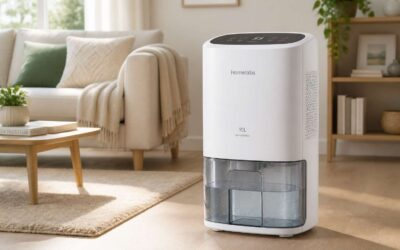
Capacity determines how quickly moisture is removed. A 25–30 litre-per-day model fits small utility rooms, while larger spaces benefit from 40–60 litres. Pair this with a practical humidity setpoint range—often 30% to 60% RH—to strike a steady balance between comfort and efficiency.
Consider these specifics:
- Capacity in litres per day
- Humidity setpoint range and control accuracy
- Drain options (bucket vs continuous drain)
- Noise level and build quality
- Auto-restart and timer features
With attention to these factors, the right choice emerges, offering dependable performance when the next storm rolls in.
Drainage options and tub compatibility
Drainage options and tub compatibility are the quiet mechanics behind a dry, contented space. The flow of moisture dances like weather—how you drain it shapes placement, maintenance, and the room’s final mood after a storm.
- Continuous drainage vs bucket-based collection, each shaping where the unit lives and how often you tend to it
- Hose routing, outlet position, and compatibility with standard South African fittings
- For dehumidifier tubs, drainage design matters—an elegant duet with the tub’s footprint and your space
When you weigh the signs, listen for balance—tub compatibility should harmonise with drainage design, keeping air even and walls dry, no drama required!
Noise, vibration, and installation footprint
Quiet confidence defines great dehumidifier tubs. In storm-prone South Africa, the right unit trims dampness without disturbing the room—often humming at a mere whisper and staying under 40 dB, so everyday activity keeps its edge of calm.
When shopping, focus on three features: noise, vibration, and installation footprint. A well-engineered tub will couple low noise with solid vibration damping and a footprint that fits its nook without demanding a rebuild.
- Decibel rating (dB) and perceived quietness
- Anti-vibration mounts and padding
- Compact footprint and accessible servicing space
- Flexible hose routing and compatibility with standard fittings
This trio ensures your units slot into homes like a quiet, confident ally.
Portability, wheels, and maneuverability
Moveable, whisper-quiet, and ready to pivot with your space—portability is the turbine that powers a calm, damp-free home. In SA homes where corridors narrow and corners hide, a tub that glides outruns a bulky unit every time. A trusted technician likes to say, “If it can’t roll, it can’t rescue the room.”
Key portability cues to compare when selecting dehumidifier tubs:
- Wheels: caster type (locking vs. free), diameter, and tread for smooth navigation across tile, carpet, and concrete
- Handles and grip: ergonomics, two-handed control, and tilting support for stairs or thresholds
- Clearance and servicing space: unobstructed bottom area for drainage, filter access, and routine maintenance
Think about how it feels to steer it through doorways, how the weight shifts when empty versus full, and how the footprint fits your floor plan.
Smart controls, schedules, and energy-saving modes
Smart controls turn a practical appliance into a quiet ally. For dehumidifier tubs, a responsive interface that translates humidity targets into real-time adjustments keeps spaces damp-free without babysitting the dial. In SA homes, where power swings and occupancy patterns vary, intuitive controls prevent energy waste and keep the unit out of the shadows of your to-do list.
- Smart controls with a mobile app or on-device display that shows current humidity and setpoints
- Scheduling and routines that run automatically, including daily start/stop and humidity-based triggers
- Energy-saving modes such as eco or auto-off that tailor runtime to conditions and tariffs
When scheduling becomes second nature, dehumidifier tubs can maintain comfort profiles while trimming electricity use, particularly during peak tariff windows or extended dry spells.
Maintenance, Installation, and Longevity
Unboxing, placement, and initial setup tips
Maintenance for dehumidifier tubs is a quiet habit that preserves air quality and quiet dignity in any South African home. Wipe the exterior, keep vents unobstructed, and loosen mineral buildup with gentle cleaning. A well-tended unit resists corrosion and keeps its moisture-capture promise intact.
Unboxing and installation read like a small rite of passage. The box reveals a sturdy unit designed for longevity, with clear labeling and a discreet footprint. Placement matters: a dry, well-ventilated corner supports steady operation and easier filtration. Initial setup focuses on aligning expectations with the room’s rhythm.
- Robust build quality that remains graceful in everyday use.
- Thoughtful packaging that reflects care and warranty clarity.
- Warranty and service options offering enduring peace of mind.
Longevity hinges on materials and design that endure South Africa’s varied climates. Durable finishes, corrosion-resistant components, and thoughtful service options support years of quiet performance in homes across the country.
Cleaning and filter maintenance routines
Quiet, meticulous maintenance is the unsung hero of any SA home’s air quality. With dehumidifier tubs, a few minutes of care each month preserves efficiency and dignity, keeping damp corners from becoming mouldy. A well-tended unit runs smoother and longer.
Installation isn’t a one-and-done moment; it’s a habit of upkeep. Sit the unit in a dry, well-ventilated corner and ensure vents stay unobstructed. When you relocate, re-check placement for quiet operation and optimal airflow.
Longevity rests on sturdy materials and thoughtful design. Regular cleaning and filter maintenance routines extend life and maintain performance. Use mild soap for the exterior, inspect seals, and follow a simple cycle to refresh the filter:
- Power off and unplug
- Wipe exterior with a damp cloth
- Check and clean or replace the filter as advised
- Dry and reassemble before resuming operation
Troubleshooting common issues
Maintenance is the quiet spell I trust to keep dehumidifier tubs singing through SA’s humidity. A handful of minutes each month—soft wipe on the housing, a quick seal glance, and a mindful check of airflow—preserves efficiency and dignity in damp corners, where mould loves to insinuate itself.
Installation isn’t a one-off moment; it becomes a habit of placement. Sit the unit in a dry, well-ventilated corner and keep vents unobstructed. When you relocate, re-check placement for quiet operation and optimal airflow.
- Dry, well-ventilated corner
- Unobstructed vents
- Level surface
Longevity rests on sturdy materials and thoughtful design. When issues arise, a calm, methodical approach saves wear and preserves life. Troubleshooting common issues includes unusual noises, drainage snags, and reduced airflow—all signals to inspect mounting, seals, and ventilation paths.
- Unusual noises or vibrations
- Drainage problems or leaks
- Reduced airflow
Seasonal care and long-term storage
Through SA’s humidity swings, dehumidifier tubs reward steady maintenance with quiet, dependable performance. A gentle monthly check keeps the housing clean, seals intact, and airflow paths clear, preserving efficiency where damp corners tend to gather character and mould tries to move in.
Installation isn’t a one-off moment; it grows into a habit of placement. Choose a dry, protected corner and keep vents clear. After relocation, re-check the position to assure quiet operation and steady airflow.
Longevity rests on sturdy materials and thoughtful design. In seasonal care and long-term storage, the goal is continuity and restraint—no drama when the weather shifts. A simple framework below helps frame the mindset around upkeep without tangling in specifics.
- Seasonal climate alignment
- Storage readiness for off-seasons
- Inspection cadence and sealing integrity
When to service or replace components
South Africa’s climate never clocks out—from humid coastal mornings to dry highveld afternoons. A steady, unglamorous routine for dehumidifier tubs keeps quiet operation and dependable performance year-round. The aim is continuity: tidy housing, clear airflow, and seals that hold fast as weather shifts.
- Unusual noises or vibrations
- Visible wear on seals or housing
- Changes in airflow or humidity control
Longevity rests on durable materials and thoughtful design; when signs emerge—odd noises, new leaks, or reduced efficiency—it’s time to assess whether a service or replacement is warranted for the system.
0 Comments