
Why a 20L capacity, low-energy dehumidifier is a smart pick
Overview of 20L capacity and energy efficiency
Humidity creeps in, turning corners into damp secrets. A dehumidifier 20l low energy stands as a quiet sentinel—what a relief, trimming moisture without turning your bill into a ghost story!
With a 20‑litre daily capacity, it’s ideal for bedrooms, lounges, or compact studios—enough to keep mould at bay without overkill. Efficient compressors and smart sensors keep energy use in check, so comfort stays affordable.
Key reasons to choose this size and efficiency:
- Compact footprint fits snugly in tight spaces
- Energy-saving mode and auto shut-off
- Low-noise operation for evenings and work from home
In South Africa’s humidity profiles, sensible dehumidification protects fabrics, walls, and the air you breathe—without wasting power.
Ideal room sizes and moisture targets
Humidity can feel like a quiet antagonist in South African homes; coastal heat drives RH into the mid to high sixties. A dehumidifier 20l low energy offers steady relief—powerful enough to reclaim breathable air, gentle on the wallet, and silent enough to coexist with night-time quiet. It promises consistent performance without drama, a practical companion for daily life.
Ideal room sizes and moisture targets pair naturally with this size. Consider these benchmarks:
- Bedrooms and compact lounges: 10–20 m²
- Studios and open-plan nooks: 15–25 m²
- Moisture target: maintain 40–60% relative humidity for comfort and fabric preservation
For South African homes facing seasonal humidity shifts, such a unit aligns with a calm, rational approach to air quality. It supports textiles, walls, and that elusive sense of breathable space without taxing the meter or the mind.
Energy-saving features to look for
Humidity is the quiet cost of comfort—South African coastal homes often see RH climb into the 60s in humid seasons. The dehumidifier 20l low energy is a steady ally, delivering breathable air without shouting from the power meter. It stays in the background, quietly reclaiming space you can actually enjoy.
Why this size matters? It balances damp control with efficiency, so you get steady performance without the bill shock. The goal is reliable extraction with minimal energy wasted, a practical fit for bedrooms, lounges, and studios alike.
- Efficient compressor and fan that adjust to demand
- Built-in humidity sensor with auto-control to cut unnecessary runtime
- Eco or low-energy modes for quiet, overnight operation
- Auto shut-off when the tank is full or condensation stops
- Low-temperature operation for cooler rooms and coastal humidity
That combination defines the smart pick, offering calm, consistent air without drama—the hallmark of a dependable dehumidifier 20l low energy.
How 20L low-energy models compare to larger units
Coastal South Africa keeps humidity as a constant companion. In humid spells, RH often climbs into the 60s, turning windows into frosted glass and nights into muggy whispers. Enter the dehumidifier 20l low energy—a steady, quiet ally that breathes life back into your rooms without charging the meter!
Why a 20l capacity is a smart pick: it handles everyday damp without slipping into energy-wasteful overkill. It’s nimble enough to run smoothly in bedrooms, lounges, and studios, yet substantial enough to reclaim space. I’ve seen it in practice—this size keeps comfort steady without turning your electricity bill into a shock.
Compared with larger units, 20L low-energy models typically win on:
- Lower running costs and steadier daily energy use
- Smaller footprint and easier placement
- Quieter operation suited to night-time comfort
In short, the dehumidifier 20l low energy offers reliable extraction with minimal fuss, a balanced partner for coastal homes.
Performance and efficiency
Moisture extraction rate and coverage area
Humidity is a quiet renter in SA homes, and the right machine turns it into a solvable problem. The dehumidifier 20l low energy model blends steady performance with frugal power use, so you notice comfort without a spike in bills. In practice, look at two charts: moisture extraction rate and coverage area. When these align with your space, you get reliable dry air without constant running.
- Moisture extraction rate: up to 20 L/day in ideal conditions
- Coverage area: suitable for rooms up to 40 m²
- Efficient operation: targets humidity with minimal energy use
In real rooms, you’ll feel drier air, fewer condensation spots, and comfort that lasts beyond a few humid mornings.
Annual energy consumption and cost savings
In SA homes, damp is a quiet drain on comfort and bills. The right dehumidifier makes humidity manageable without turning your meter into a prop. A well-chosen unit blends steady performance with frugal power use, so you feel the air change without a spike in costs.
This dehumidifier 20l low energy model typically runs at 180–230 watts and can remove up to 20 L/day in ideal conditions. In day-to-day use, expect around 1.2–1.5 kWh per day during peak dampness, which translates to hundreds of rand in annual savings compared with older, thirstier units. The payoff is a drier home and less condensation on windows, especially in moist SA mornings.
Several factors shape the annual cost, and you can influence them with simple choices.
- Humidity target and smart auto-off
- Actual run-time in your space
- Insulation and room sealing
Noise levels and user comfort
Performance and efficiency blend like oil and shadow in a SA morning. In rooms where humidity clings like a lingering fog, a dehumidifier 20l low energy works with a hushed, steady cadence, sipping power and exhaling relief. You feel the air loosen its grip as the unit maintains the balance without scouring your electricity bill. The 20-litre class delivers a reliable extraction rate in damp spaces, yet refuses to become a spectre at your doorstep by chewing through watts.
Noise levels are the unseen ghost you notice only when absent. A well-designed model keeps sound in the whisper range on low, with a soft thrum on higher settings.
- Whisper-quiet operation on low power
- Auto-off and sleep modes for undisturbed nights
- Rigid chassis and anti-vibration feet to reduce rattle
In short, performance and efficiency converge to keep your home dry and comfortable without becoming a mechanical sentinel.
Smart features that boost efficiency
Whisper-quiet power meets precise control in the dehumidifier 20l low energy—the unsung ally in South African homes where dampness lurks in corners and mornings feel muggy despite sunshine. A single unit can maintain steady humidity without a rattling chorus, turning rooms from clammy to comfortable with a gentle, relentless cadence.
Smart features boost efficiency without fuss. A built-in humidity sensor modulates extraction to match real conditions, while auto-off and sleep modes keep nights serene. Energy-saving modes tune compression and fan speeds, so performance stays strong while consumption stays lean.
- Smart humidity sensing
- Auto-off and sleep protection
- Auto-adaptive fan speeds
These design quirks ensure reliable dryness without turning the house into a mechanical sentinel.
Buying guide and comparisons
Key specs to check (capacity, power, energy star)
In a market flooded with specs, the buying guide narrows to three figures: capacity, power, energy star. For a dehumidifier 20l low energy, those metrics translate into steady performance and lower bills, a quiet certainty for South African homes where humidity loves to complicate comfort!
- Capacity: roughly 20 litres per day, aligning with mid-sized living spaces.
- Power draw: low-wattage operation that keeps ongoing energy use predictable.
- Energy rating: a clear mark of efficiency for long-term running costs.
These specs let you compare models at a glance and reveal where real value lies beyond glossy marketing—capacity fit, a gentle power draw, and a credible efficiency rating.
Popular 20L low-energy models on the market
In South Africa’s muggy seasons, comfort should not be a luxury—it’s a baseline. The dehumidifier 20l low energy option helps keep humidity in check without turning every bill into a shock. These machines deliver steady moisture control for mid-sized homes, townhouses, and flatlets, quietly sipping power while the air clears.
Among popular dehumidifier 20l low energy models on the market, you’ll notice differences in build quality, noise, and service networks. When comparing, look past glossy marketing and weigh real-world attributes: after-sales support, availability of spare parts, and how the unit performs in typical South African living spaces.
- Warranty terms and local service coverage
- Availability of spare parts and distributors in SA
- Measured noise output in a typical lounge or bedroom
Price ranges and warranty considerations
Across South Africa’s muggy seasons, a steady breath is a scarce luxury—until the dehumidifier 20l low energy steps in, a quiet sentinel in the dim corners of the home. The buying guide should weigh build quality, endurance, and after-sales reach as much as price. When you compare, listen for the whisper of spare parts rather than glossy bravado.
Price ranges and warranty considerations act as a practical compass. Here’s a quick snapshot:
- Budget tier: roughly R3,000–R5,000; basics and a shorter warranty, with a smaller service network.
- Mid-range: roughly R5,000–R8,000; sturdier construction, quieter operation, longer warranties, broader spare-parts availability.
- Premium: above R8,000; solid materials, advanced sensors, extensive local service networks, 3+ year warranties.
Warranty terms and local service coverage form the backbone of a sound purchase. Ensure spare parts and SA distributors are within reach, and that noise figures are measured in a real lounge, not a showroom.
User reviews and reliability signals
Across South Africa’s muggy seasons, when relative humidity can spike toward 80%, a single quiet ally can redraw a room’s breathing space. In buying guide mode, I weigh build quality, endurance, and after-sales reach as heavily as price—because a dehumidifier 20l low energy earns its keep through reliability as much as savings. When you compare, listen for the whisper of spare parts and local service rather than glossy bravado; let function outshine flash!
From the chorus of customer voices, watch for reliability signals that money cannot buy on day one:
- Real-world noise and vibration, not showroom demos
- Spare-parts availability and a robust local service network
- Maintenance ease and consistent energy use over seasonal loads
In those whispers, the dehumidifier 20l low energy emerges as a steady companion, turning humidity into a manageable companion rather than a constant clamor.
Where to buy and return policies
In the buying guide, I measure a dehumidifier 20l low energy not by flash specs but by longevity and the quiet math of monthly energy bills. It should feel sturdy, with components that endure SA’s muggy seasons and sudden humidity swings. Give me reliability over bravado, and I’ll know it’s earned its keep long after the purchase.
Where to buy and what matters for returns: choose retailers with clear, fair policies and a robust local service network. Look for straightforward warranty terms and uncomplicated restocking rules, so that a purchase stays a promise rather than a trap.
- Return window length and condition requirements
- Spare-parts availability and local service coverage
- Transparent warranty terms from reputable South African retailers
With these signals, the dehumidifier 20l low energy becomes a steady companion, turning humid rooms into breathable spaces rather than clamor.
Installation, maintenance, and longevity
Placement and airflow optimization
In the heat of a South African summer, the dehumidifier 20l low energy stands as a sentinel, turning damp corners into clear air with the patience of an alchemist. It blends frugal energy use with steadfast reliability, a beacon for homes that crave breathable rooms and steady comfort.
Installation and daily care unfold as a gentle ritual rather than a chore. The unit rests where air can move freely, away from tight cupboards, and its quiet hum weaves through living spaces like a friendly breeze. Maintenance remains simple: a soft wipe and respect for the reservoir’s rhythm.
Longevity arises when airflow is allowed a natural path. A calm space around the machine, minimal clutter, and open routes between walls and furniture keep the currents lively and reduce strain on components.
Together, these choices turn rooms into lasting sanctuaries. Across the South African climate, this unit travels with dependable humidity control and a touch of enduring wonder.
Maintenance routine: filters, drainage, defrosting
In South Africa’s scorching summers, humidity pushes rooms into a tight hush. The dehumidifier 20l low energy arrives as a cool, steady ally, turning damp corners into breathable space. I’ve learned that installation becomes a gentle ritual: set it where air can circulate, avoid tight alcoves, and let it settle on a level surface. Its quiet hum becomes a trusted companion!
Maintenance routine centers on three pillars: filters, drainage, defrosting.
- Filters staying clear and clean helps protect airflow and efficiency.
- Drainage paths and reservoirs kept free of blockages and leaks.
- Defrosting considerations focus on frost buildup and the unit’s auto-defrost cues when needed.
Longevity follows a simple creed: give the unit room to breathe, keep clutter away, and trust steady checks to preserve components for the long haul. Across South Africa’s climate, these routines render a durable gentle companion in the home, turning every room into a lasting sanctuary.
Long-term care tips to extend life and efficiency
Installation unfolds as a quiet ceremony in South Africa’s sunlit homes, where the dehumidifier 20l low energy finds its breathing space—air circulating freely, a level surface, away from direct heat. It settles into the room’s rhythm, its steady hum a reminder that comfort can linger in corners once overlooked!
Maintenance drifts into daily life as a gentle ritual: airways maintain their grace, the reservoir rests untroubled, and faint sounds invite curiosity rather than alarm. When time calls, the routine remains practical but never forceful: a quick glance, a light touch, and the unit continues to work in harmony.
- Airflow grills show unobstructed lines after a gentle brush
- Reservoir sits secure and free of leaks
- Frost signs or unusual sounds are noted thoughtfully
Longevity takes room to breathe, a tidy environment, and patient attention to fittings. With the dehumidifier 20l low energy, these choices translate into years of quiet reliability and breathable comfort.
Use cases and practical tips
Basements, bathrooms, and kitchens
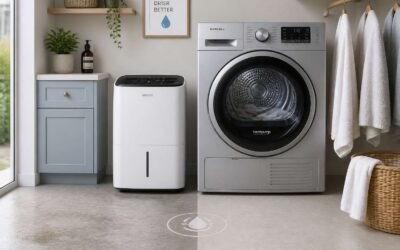
Basements, bathrooms, and kitchens are humidity hot spots in a SA home—moisture creeps in and lingers, especially after rainfall. Relative humidity can nudge into the 60s, inviting mould and that damp, musty tang. A dehumidifier 20l low energy fits neatly in these spaces, pulling damp air through a quiet, budget-friendly cycle and keeping condensation from becoming a permanent feature.
Smart placement and simple routines help these spots stay dry without drama. Consider basements for long-term storage, bathrooms after showers, and kitchens near sinks for consistent moisture control.
- Airflow-friendly placement away from walls and vents
- Drainage and convenient power access considerations
- Low-maintenance filters and seasonal checks
Bedrooms and living areas
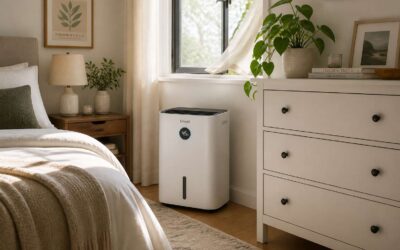
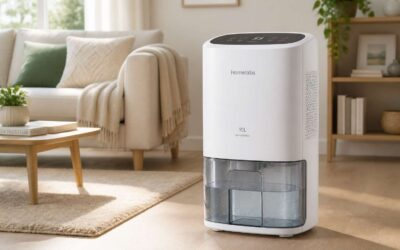
In bedrooms and living areas, humidity clings after a thunderstorm or a long spell of rain, turning mornings heavy and fabrics damp. A dehumidifier 20l low energy steps in as a quiet companion, pulling damp air through a gentle cycle and preserving restful air without bloating energy bills. It suits South African homes—humble, sunlit, and easily overwhelmed by moisture in common living spaces.
- Airflow across seating zones supports balanced comfort without blocking doors or curtains.
- Humidity naturally peaks after washing, cooking, or rain, making these moments ideal for the unit’s quiet work.
- A light maintenance routine—keeping filters clean and ensuring vents are clear—helps sustain efficiency through the seasons.
In spaces that double as family zones, gentle humidity control protects wood furnishings, cushions, and bedding, supporting restful evenings and brighter mornings.
Public spaces and small offices
In bustling South African public spaces and small offices, damp air lingers after storms or heavy rainfall, turning mornings sluggish and papers damp. A dehumidifier 20l low energy quietly tames that moisture, delivering crisp air and comfortable conversations without inflating energy bills.
Public zones like reception lobbies, break rooms, clinics, and compact coworking corners benefit from steady humidity. It protects electronics, wood finishes, and print materials while staying unobtrusive.
- Position the unit where airflow can sweep across seating zones without obstructing doors or curtains
- Consider a comfortable humidity target during peak use to avoid harsh swings
- Regular maintenance as part of routine checks, ensuring filters and vents stay clear
In these environments, the dehumidifier 20l low energy quietly reduces fogging, mould risk, and condensation—making it a reliable staple for public spaces and small offices.
0 Comments