
Understanding dehumidifier with drain
What is a dehumidifier with drain and how it works
More than a third of homes in South Africa contend with dampness, a stubborn guest that saps warmth and invites mould. In my grandmother’s kitchen, the hum of a kettle and the sigh of dry air felt like a small victory over the damp sea outside.
A dehumidifier with drain is a compact, energy-aware appliance that pulls moisture from the air. Inside, a fan and refrigeration coil condense humidity into water, which then travels through a hose to a drain or reservoir. When a continuous drain is connected, the unit can run hands-free, keeping spaces drier without frequent emptying.
From the dusty corner of a farmstead to the heart of a modern flat, this quiet appliance stands as a practical ally against damp. It speaks in the language of everyday relief, where a dry room means warmth, laundry that dries on time, and peace of mind!
Types of drains you can use
Dampness gnaws at corners and wallets alike, and in South Africa more than a third of homes wrestle with it. A dehumidifier with drain isn’t a gadget; it’s a quiet storm absorber, pulling in humid air and delivering drier, warmer rooms!
Understanding drainage options can keep you hands-free and hassle-free.
- Continuous gravity drain to an external point
- Condensate pump to reach higher drains
- Internal reservoir with an automatic shut-off
From a warehouse to a cottage, the drain options map a quiet architecture of relief—each fit shaping how a room breathes.
Pros and cons of drain-enabled models
Grey mornings, damp rooms, and the stubborn whisper of mould—South Africa’s homes know this tune all too well. In fact, more than a third of households wrestle with humidity, turning comfort into a careful negotiation. A dehumidifier with drain can rewrite that script, delivering uninterrupted relief rather than the chores of emptying a reservoir.
Consider these advantages:
- Hands-free drainage reduces the need to empty a reservoir.
- More stable humidity levels, keeping rooms consistently drier and more comfortable.
- Flexible setup with gravity drains or condensate pumps to fit any space.
Yet, there are caveats to invite into the room’s atmosphere. A dehumidifier with drain requires a ready drainage path—gravity to an external point or a condensate pump—adding installation considerations and periodic maintenance. If the drainage or power supply falters, the quiet relief can waver, and a small component might demand attention.
Key questions to ask before buying
Across South Africa, more than a third of homes grapple with humidity, letting dampness creep into corners and mould linger. The moment you start shopping, the questions you ask become the compass. Key questions to ask before buying can unlock steady, whisper-quiet relief when considering a dehumidifier with drain.
- Does the dehumidifier with drain fit your space, and what drainage options does it offer?
- What capacity is appropriate for the room’s size and use?
- Does it rely on gravity drainage or a condensate pump, and what installation basics apply?
- What are the energy efficiency ratings and expected running costs?
Choosing the right dehumidifier with drain
Room size and capacity guidelines
Humidity in SA homes can feel like a stubborn guest who never leaves—basements and coastal rooms often flirt with 60% to 70% relative humidity in damp seasons. For peace of mind, a dehumidifier with drain handles constant moisture control without the daily tank emptying, keeping the air drier while you get on with life.
Choosing the right size depends on room area and how damp it gets. Here are ballpark guidelines to map capacity to space:
- Small rooms up to 15 m²: 8–12 L/24h
- Medium rooms 15–30 m²: 12–20 L/24h
- Open-plan or damp basements 30–60 m²: 20–40 L/24h
These figures are starting points, and real-world performance will depend on insulation, climate, and how often doors stay closed.
Drain setup considerations for different spaces
Coastal corners and basements in South African homes often flirt with 60–70% humidity when damp seasons tighten their grip—a stubborn guest that won’t be ushered out by a fan alone. A dehumidifier with drain offers hands-free moisture control, letting air stay dry while life flows on.
Drain setup considerations for different spaces vary with layout. Choose gravity drainage for ground-level rooms where an exterior outlet is nearby, or opt for a condensate pump when gravity isn’t practical. The following scenarios illustrate common paths:
- Basements with exterior drainage easy to reach
- Apartments and upstairs rooms needing a pump-assisted line
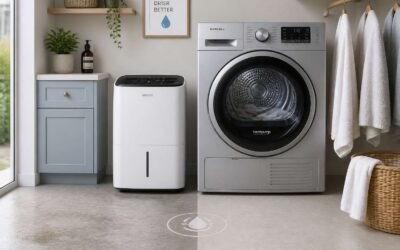
- Laundry rooms close to a sink or drain
With the right drain setup, a dehumidifier with drain becomes a quiet, reliable ally in any SA home, feathering dryness into living spaces without daily tank emptying.
Energy efficiency and running costs
Across South Africa’s damp seasons can push indoor energy use by up to 15–20%, turning comfort into a costly affair. The right dehumidifier with drain blends quiet efficiency with hands-free operation, turning muggy rooms into spaces where dryness—and cost control—coexist.
Look for an inverter compressor, precise humidity sensors, and a drain option that suits your layout. A drain-enabled unit minimizes running costs by reducing compressor on-time and unnecessary cycling, keeping rooms dry without a power spike.
- Energy-efficient inverter technology
- Programmable timers and humidity sensors
- Gravity drain or condensate pump compatibility
Over time, this approach pays dividends in durability and comfort, especially where coastal or high humidity lingers in South African homes.
Noise level and placement tips
Humidity is the silent thief of comfort, stealing quiet evenings and crisp air. In South Africa’s damp seasons, the effect is immediate: rooms feel muggy, and energy use climbs. Choosing a dehumidifier with drain isn’t just about dryness—it’s about whisper-quiet efficiency. Seek a unit with a quiet rating under 50 dB on normal run, and ensure the drain option feels seamless rather than bulky.
To place it for best effect, consider these:
- Keep it on a level surface away from walls to prevent air recirculation.
- Position near humid zones such as laundry areas or bathrooms but away from bedrooms during sleep.
- Ensure the drain hose is unobstructed and directed to a drain or condensate pump.
A well-chosen unit will keep humidity steady, making coastal or high-humidity rooms feel welcoming again. Quiet operation lets you enjoy the dryness without the drama, and the drain setup should feel as natural as a passing breeze.
Features to look for in drain-capable models
Humidity moves like a tide through South Africa’s damp seasons, stealing the breath from a room and leaving a tired, muggy hush. The dehumidifier with drain does more than pluck moisture from the air—it offers uninterrupted, whisper-quiet relief that keeps spaces feeling fresh without the daily chore of emptying a tank.
To choose wisely, focus on drainage-ready features that keep installation graceful and maintenance rare. Consider these core capabilities:
- Built-in condensate pump for continuous drainage to a sink or outside drain
- Flexible drainage options: gravity drain and pump-assisted setups
- Easy-connect hose fittings with standard sizes and clear routing paths
- Auto-overflow protection and a quiet, low-noise operating design
- Durable construction and easy-maintenance filters for long-term reliability
Together, these traits deliver steadier humidity, whether you’re shielding a coastal lounge or a laundry nook from damp creep. A well-chosen drain-capable unit becomes part of the decor—functional, steadfast, almost like a breeze you can trust.
Drain installation and maintenance
Step by step drain installation options
Water has a way of choosing its own path, and a dehumidifier with drain becomes a quiet river guiding moisture toward a safe exit. In many South African homes, damp corners soften when drainage is woven into the appliance’s rhythm. It’s not sorcery—just design that honors gravity and space, turning a soggy room into a breathing, balanced sanctuary.
- Gravity-fed drainage routing the condensate to a floor drain or exterior outlet
- Condensate pumping that lifts water to a distant or elevated drainage point
- Direct hose connections with a discreet drain line for seamless integration
Maintenance remains subtle: a well-supported drainage path and unimpeded connections ensure uninterrupted moisture removal, letting the system perform its quiet, daily work.
Setting up a gravity drain safely
South Africa’s summers and winters conspire to drive moisture into living spaces; more than 40% of homes report damp corners at some point. A dehumidifier with drain becomes a quiet ally, guiding moisture toward a safe exit rather than letting it linger in the corners.
Gravity-fed drainage routes condensate to a floor drain or exterior outlet, keeping lines unpowered and unobtrusive. This approach respects gravity, space, and interior design, letting the unit vanish into the room’s rhythm. Consider discreet placements that align with existing drainage points.
- Floor drain alignment
- Exterior outlet positioning
- Clear hose routing
Maintenance remains subtle: a well-supported drainage path and unimpeded connections ensure uninterrupted moisture removal. Periodic checks for kinks and leaks help the system breathe easily, turning a soggy room into a balanced sanctuary.
Using a condensate pump for hard-to-reach drains
South Africa’s summers push humidity into homes, and damp interiors cling to walls long after the sun dips. A practical solution lives near the floor: the dehumidifier with drain, especially when paired with a condensate pump for hard-to-reach drains. This setup quietly escorts condensate to a main line or exterior outlet, keeping living spaces serene without clutter or cords snaking across the floor. Placement matters—near an existing drain point, yet tucked away from daily traffic.
- Compact pump options fit tight spaces and corridors
- Reliable float switches prevent overflows
- Low-noise operation keeps rooms comfortable day and night
With the right condensate pump, the circuit remains calm, and the line becomes a quiet, invisible ally. When lines stay properly supported and connections are kept clear, the system breathes easier—no sagging hoses or rogue drips disrupt the room’s rhythm.
Regular maintenance routines for reliability
In South Africa’s furnace-hot summers, humidity presses against every surface, turning living spaces into reluctant sanctuaries. “A dry line is a quiet home,” says a veteran installer, and the idea holds for a dehumidifier with drain—the route for condensate that keeps rooms calm and floors untroubled. The secret is a path that remains clear and unobtrusive.
Regular maintenance routines for reliability center on the drainage path, noting changes in connections, moisture hints, or sag or obstruction that might invite leaks. When the line behaves, the room breathes easier and the unit runs with softened intensity.
- Location and clearance around the drainage line
- Accessibility for inspection
- Visible wear on hoses or fittings
That attentive care keeps the dehumidifier with drain performing its quiet duty.
Troubleshooting common drainage issues
In South Africa’s furnace-hot summers, the drain line of a dehumidifier with drain is the quiet backbone of comfort. When it misbehaves, condensation hangs around like a bad guest, muting rooms and fraying flooring. A well-tuned drainage path keeps the air settled and the mood civilized.
Watch for telltale signs that the drainage system is balking:
- Visible moisture around fittings or along the hose
- Pool or sag near the unit despite recent operation
- Unusual gurgling or dampness on the floor
When these hints appear, the dehumidifier with drain is trying to breathe easy but needs its channels kept clear. Maintaining a smooth, gravity-friendly path and unobstructed connections preserves reliability and quiet operation.
Cost, benefits, and savings
Initial cost vs long-term savings with drain models
Humidity in many South African homes can turn air into a stubborn guest, creeping into wardrobes and raising energy bills. A dehumidifier with drain arrives as a quiet hero, pulling moisture away so rooms feel lighter and healthier, even on humid Karoo evenings or coastal days.
Initial costs for drain models sit higher, thanks to installation and drainage hardware. Yet the long view reveals meaningful savings.
- Upfront purchase and installation costs (drain kit, potential professional setup)
- Ongoing energy usage compared to non-drain units
- Elimination of manual bucket-emptying and reduced mould risk
Benefits accrue beyond savings: continuous drainage keeps humidity steadier, protecting furniture, fabrics, and spores from taking hold. In time, lower moisture can ease cooling needs and cut maintenance cycles, delivering real value for homes across South Africa.
With a properly configured drain, the journey to comfortable air becomes seamless—a blend of smart engineering and everyday resilience.
Water disposal and humidity control effectiveness
Cost considerations for a dehumidifier with drain are clear: upfront hardware and possible professional hookup add to the sticker price. In South Africa, that drain kit and installer work can push the first bill higher. Yet the long horizon reveals savings when humidity stays steady and mould stays down.
Benefits accumulate quickly, and savings follow. With continuous drainage, there’s less condensation on walls, fewer damp patches in fabrics, and no more chasing a full bucket.
- Steady humidity reduces mould risk and musty smells.
- No manual bucket-emptying means less mess and more time for tea breaks.
- Long-term energy dynamics often trend downward as cooling and dehumidification stay balanced.
Water disposal and humidity control effectiveness become the quiet engine of comfort, keeping coastal humidity and Karoo dryness in check. A properly configured drain delivers continuous drainage, easing maintenance and helping furnishings hold colour and character in South Africa’s varied spaces.
Impact on mold and home health
In South Africa’s varied homes, the upfront price of a dehumidifier with drain carries the unit and any necessary hookup—an offering to the climate itself. The initial bill can rise with a drain kit and installer, especially in older houses or labyrinthine layouts. Yet the long view reveals a patient savings, as humidity stays steady and mildew fades, turning comfort into a quiet, enduring return on investment.
With continuous drainage, there’s less condensation on walls, fewer damp patches in fabrics, and no more chasing a half-full bucket. The benefits multiply, from easier maintenance to constant comfort, freeing time for tea breaks and chats.
- Less condensation and damp patches
- Fewer mould scares and musty odours
- Preserved colours and textures in furnishings
Steady humidity reduces mould risk and musty smells—protecting health and preserving the home’s character. For families, a dehumidifier with drain translates to fresher air and steadier lungs, a small daily miracle in SA homes weathering every season.
Warranty and service considerations
Cost in South Africa isn’t just the sticker price. A dehumidifier with drain includes the unit and any required hookup. Upfront costs rise with professional installation, but you’re buying resilience—steady humidity and bucket-free convenience.
Benefits and savings stack up: less condensation on walls, fewer musty odours, and preserved colours in furnishings. With continuous drainage, you won’t chase a half-full bucket, and maintenance becomes a quiet, ordinary virtue.
- Fewer condensation patches
- Lower mould risk
- Less cleaning time
Warranty and service considerations: look for 2–3 years on parts and labour, with clear coverage for the drain components and the dehumidifier with drain’s compressor. Ensure SA coverage through local technicians and accessible parts; a straightforward service plan keeps the unit performing year after year.
0 Comments