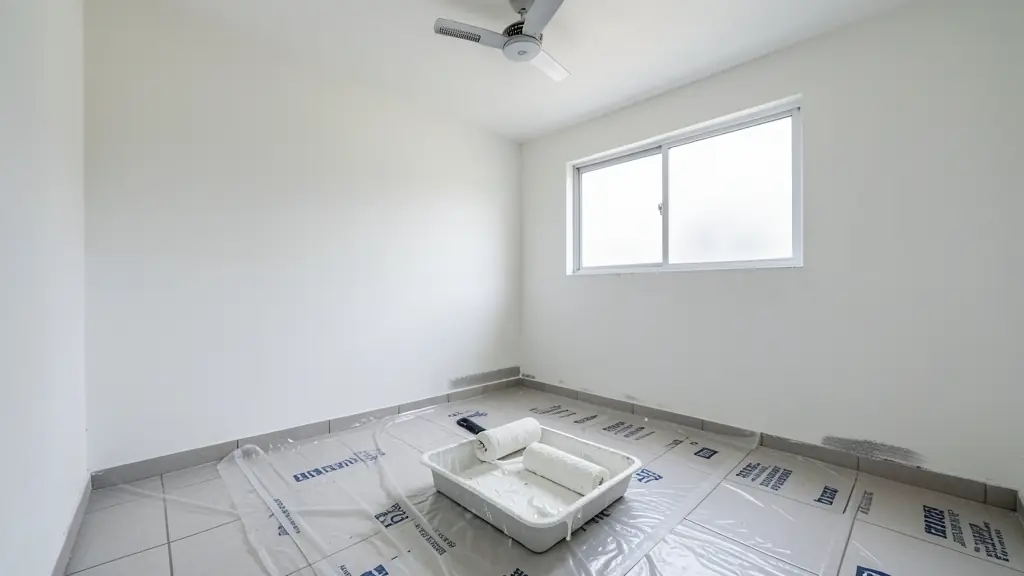
Anti mould paint and mould-killing primer contain a fungicide that slows mould growth on the painted surface. They suit bathrooms, kitchens, laundries and damp bedrooms where mould keeps returning. They do not fix the damp behind the wall. A fungicidal coat on a wall with rising damp, a leak or heavy condensation will fail within a season or two. Tell us what you need to paint, and we pass your request to independent suppliers who quote you directly.
Prepare the wall first
The coat is only as good as the surface under it. The usual order is:
- wear gloves, eye protection and a mask, and ventilate the room
- clean and kill existing mould with a suitable cleaner, following the label (never mix bleach with other cleaners)
- let the wall dry fully, which can take days in a damp room
- scrape off flaking paint and fill cracks
- apply a mould-killing primer where the supplier advises
- paint with the anti-mould coat, usually two coats
Large areas, mould in ceilings or after a flood are better handled by professionals.
Fix the cause
Paint treats a surface, not a source. Bathrooms need an extractor fan that actually moves air outdoors, not into the ceiling. Kitchens need an extractor over the hob. Walls with a cold outside face may need insulation or warmth. A leak, a blocked gutter or rising damp needs a repair first. A dehumidifier for mould helps the room dry, and a humidity meter tells you whether it works. See the damp type before you paint.
Coverage, finish and where to use it
Coverage per litre depends on the product and the surface, and rough plaster takes more paint than smooth. Ask the supplier for the maker's coverage per litre and the number of coats, and add a margin for waste. A washable matt or low-sheen finish is common in bathrooms and kitchens. Some exterior and roof coatings also contain a fungicide to slow mould and algae, so tell the supplier whether the job is inside or outside. Tinting is possible with many ranges, but ask whether it affects the fungicide.
Limits and care
No paint kills mould forever. Over time the film wears, dirt collects and mould can return if the room stays damp. Wipe surfaces with a damp cloth, keep bathrooms ventilated and wash off early spots. Do not paint over wet plaster or active mould, as it will blister. If someone in the home has asthma, allergies or a weak immune system, or the area is large, get the mould professionally assessed before painting. See a doctor about symptoms. For a tenant or landlord, a before and after photo of the wall, together with a note of the repair that fixed the cause, makes a dispute easier to settle later. Keep any left-over paint in a sealed tin for touch-ups, and note the date and the product name from the tin before you throw the packaging away.
What to put in your request
- Room length, width and ceiling height in metres
- Whether the area is a bathroom, kitchen, bedroom or exterior
- Whether mould is present now, and how large the patch is
- Whether you need primer, paint or both
- Colour or finish wanted, and delivery address
Anti-Mould Paint for homes, rentals, businesses and industry
- Homeowners and tenants: a bathroom ceiling, kitchen wall or bedroom corner that goes black each winter
- Landlords, agents and body corporates: a repaint of a damp flat between tenants, after the cause is fixed
- Offices, schools and clinics: damp patches in toilets, kitchenettes and basement stores
- Warehouses, archives and storage: offices, ablutions and wash bays that stay wet
- Factories and food plants: wash rooms, canteens and food-area walls that need a mould-resistant finish
- Growers, nurseries and farms: walls in propagation rooms and packing areas that stay humid
- Hotels, gyms, spas and pools: bathrooms, kitchens and spa rooms in a hotel or guesthouse refresh
- Insurers, assessors and restoration firms: a final coat on walls and ceilings after they are dried and cleaned
- Builders, HVAC engineers and contractors: a mould-resistant finish in wet areas of a new build or renovation
Frequently asked questions
Does anti mould paint kill existing mould?
Will it work on rising damp?
How many litres do I need?
Do you sell paint yourselves?
Anti-Mould Paint by province and city
- Johannesburg
- Pretoria
- Centurion
- Midrand
- Sandton
- Randburg
- Roodepoort
- Krugersdorp
- Randfontein
- Germiston
- Boksburg
- Benoni
- Kempton Park
- Alberton
- Vanderbijlpark
- Vereeniging
- Durban
- Pinetown
- Pietermaritzburg
- Richards Bay
- Newcastle
- Ladysmith
- Gqeberha (Port Elizabeth)
- East London
- Kariega (Uitenhage)
- Mthatha
- Cape Town
- Bellville
- Paarl
- Stellenbosch
- George
- Worcester
- eMalahleni (Witbank)
- Middelburg
- Secunda
- Mbombela (Nelspruit)
- Rustenburg
- Brits
- Klerksdorp
- Potchefstroom
- Mahikeng
- Polokwane
- Tzaneen
- Kimberley
- Upington
- Bloemfontein
- Welkom
- Sasolburg