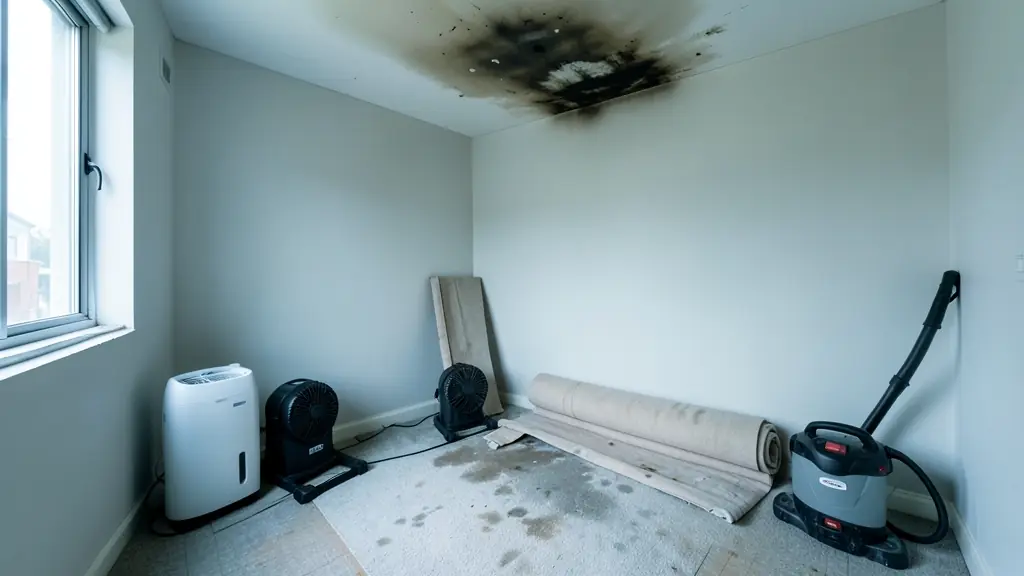
A burst geyser, a leaking roof after a storm or a flood can soak carpets, boards, ceilings and walls within hours. Water damage restoration is about stopping the water, taking out what cannot be saved and drying the structure properly before mould sets in, which can happen within a day or two in warm, wet conditions. Send one request and independent restoration firms near you quote you directly, and they can help with the paperwork if you are claiming from your insurer.
The first hour
- Stop the water: close the main valve or isolate the geyser.
- Make it safe: switch off the electrics to wet areas at the DB board; do not stand in water near plug points.
- Photograph everything before moving things, for your insurer.
- Phone your insurer before major work; they may appoint a firm or ask for quotes.
- Lift small items and open windows if the weather is dry.
What the restoration firm does
The firm extracts standing water, removes what cannot be saved, such as wet underlay, swollen boards and soaked ceiling board, and sets up air movers and dehumidifiers. Air movers blow air across wet surfaces and the dehumidifier removes the moisture from the room, so the structure dries. The firm measures with a moisture meter on the first day and again until walls and floors read dry. Drying times depend on the materials and the weather; ask for an estimate and a plan, not a promise. If you only need machines, see dehumidifier hire.
Preventing mould afterwards
Wet building materials can feed mould quickly. Drying fast, removing soaked materials and keeping the air moving are the best protection. If mould has already appeared, a separate clean may be needed (see mould removal). Do not paint or lay new flooring until readings show the structure is dry. Keep the machines running with the doors and windows closed, empty the dehumidifier tank or use a drain hose, and expect the room to feel warm and noisy for a few days. Ask the firm to explain what the numbers on the moisture meter mean and when the machines can go. Anyone with asthma, allergies or a weak immune system may prefer to stay elsewhere while the work is done; see a doctor if symptoms appear.
Insurance and quotes
Burst geysers are a common claim. Your insurer's assessor may approve a firm, set a limit or ask for several quotes, so confirm what they need before work starts. A good quote lists extraction, removals, the number of machines and days, monitoring, and what is not included, such as replacing ceilings or flooring. Keep receipts and the moisture reports; they support the claim. Gradual leaks are often excluded, so check your policy. If you rent, tell the landlord or the body corporate straight away, because the building's policy and your contents cover may both be involved. Do not throw away damaged items or carpet until the assessor has seen them or agreed to photos.
What to put in your request
- What happened (geyser, pipe, roof, flood) and when
- Rooms and floor area affected, with photos
- Whether the water is stopped and the power is safe
- Your insurer and whether a claim is open
- Floor and ceiling types (carpet, tiles, boards)
Water Damage Restoration for homes, rentals, businesses and industry
- Homeowners and tenants: a burst geyser dealt with on the day: water extracted, wet materials removed and the house dried
- Landlords, agents and body corporates: a rental dried and documented after a pipe failure, with moisture readings for the insurer
- Offices, schools and clinics: a flooded floor extracted and dried so staff can return and records are protected
- Warehouses, archives and storage: stock floors and walls dried after storm water, with pallets lifted and a drying plan in place
- Factories and food plants: a production area dried in stages with the machinery protected and restarted only when it is safe
- Growers, nurseries and farms: a flooded shed or packhouse extracted and dried, with attention to electrics and stores
- Hotels, gyms, spas and pools: affected rooms dried quickly and kept apart from guests, with a plan to reopen
- Insurers, assessors and restoration firms: extra capacity, machines or specialist drying equipment brought in for a large claim
- Builders, HVAC engineers and contractors: drying and remedial advice after a leak on a build, before finishes are put on
Frequently asked questions
Do you do water damage restoration yourselves?
How long does it take to dry a house?
Can I dry the house with fans and windows myself?
Will my insurer pay?
Water Damage Restoration by province and city
- Johannesburg
- Pretoria
- Centurion
- Midrand
- Sandton
- Randburg
- Roodepoort
- Krugersdorp
- Randfontein
- Germiston
- Boksburg
- Benoni
- Kempton Park
- Alberton
- Vanderbijlpark
- Vereeniging
- Durban
- Pinetown
- Pietermaritzburg
- Richards Bay
- Newcastle
- Ladysmith
- Gqeberha (Port Elizabeth)
- East London
- Kariega (Uitenhage)
- Mthatha
- Cape Town
- Bellville
- Paarl
- Stellenbosch
- George
- Worcester
- eMalahleni (Witbank)
- Middelburg
- Secunda
- Mbombela (Nelspruit)
- Rustenburg
- Brits
- Klerksdorp
- Potchefstroom
- Mahikeng
- Polokwane
- Tzaneen
- Kimberley
- Upington
- Bloemfontein
- Welkom
- Sasolburg