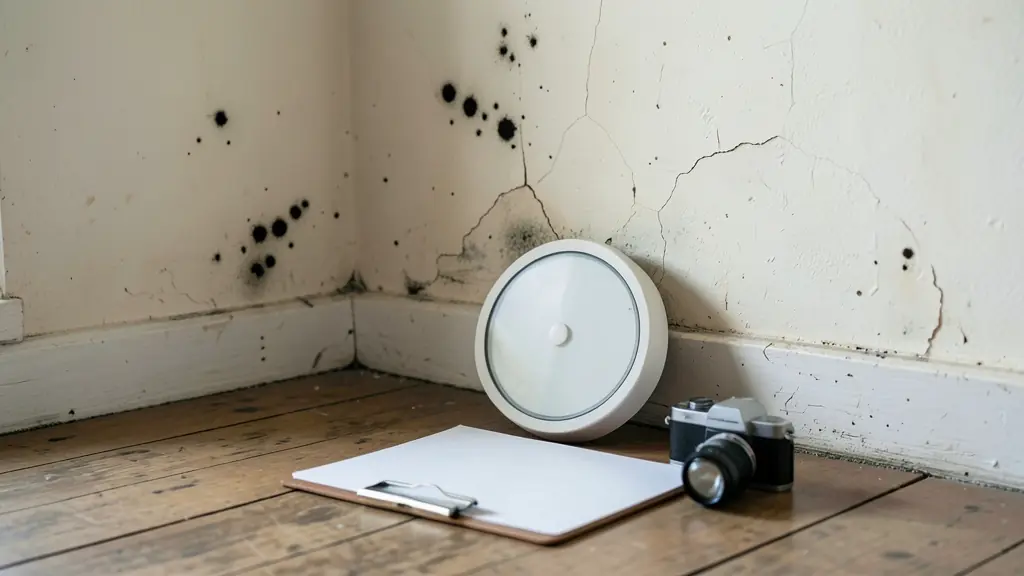
Damp and mould have several possible causes, and spending money on the wrong repair is common. A damp survey or damp and mould inspection identifies which type you have, where the moisture comes from and what should be done about it. Buyers use one before transfer, landlords and body corporates when tenants complain, and insurers or restoration firms when they need evidence. Send one request and independent damp inspectors near you quote you directly.
What an inspector does
- Looks and asks: the history, the weather, the rooms, the ventilation and how the home is used.
- Takes readings with a moisture meter on plaster, brick and timber, and a humidity and temperature meter in the room (see humidity meters).
- Checks outside: gutters, downpipes, ground levels, paving, roofs, window sills and any signs the damp-proof course is missing or bridged.
- Uses a thermal camera, which some inspectors use to spot cold, damp areas.
- Writes a report with photos and recommendations.
Why a survey helps
The same black patch can come from condensation, a leaking pipe or rising damp, and each calls for a different fix. Condensation is solved by warmth, ventilation and sometimes a dehumidifier. A leak needs a plumber. Rising damp needs damp proofing. Without a diagnosis you may repaint over wet plaster or inject a wall that never needed it. A survey also gives you something to negotiate with when buying or to show a landlord or insurer.
Before you buy or let
A buyer in George or Cape Town can order a damp inspection as part of the checks before transfer, so the findings can be used in the offer or in a request for the seller to repair before transfer. Ask the inspector for access to the roof space, the sub-floor and the boundary walls, because hidden damp is common there. Landlords and body corporates use inspections to settle a tenant's complaint on facts: is it condensation from drying washing indoors, or a defect in the building? For mould in a rental, a report helps decide who is responsible. Ask for the inspector's qualifications and what the report will state, and be wary of anyone who inspects and then insists on selling the repair.
What to expect from the report
A good report states where the readings were taken, what they were, the likely cause of each problem, photographs and ranked recommendations with the urgent items first. Moisture meters read relative moisture, so readings are compared across the wall rather than treated as exact. Ask whether the inspector will return after repairs to confirm dryness, and whether the report can be shared with your insurer, your bank or the body corporate. Keep the report with your property papers; a clear record of what was found and fixed helps when you sell. If mould is present, ask whether sampling is needed; usually the visible growth and moisture cause are what matter (see mould removal).
What to put in your request
- The address and type of building (house, flat, sectional title)
- What you see: tide marks, mould, peeling paint, smells
- Whether you are buying, letting, claiming or repairing
- How long the problem has existed and when it worsens
- Access to the roof, outside walls and any boundary walls
Damp and Mould Inspections for homes, rentals, businesses and industry
- Homeowners and tenants: a visit to find out whether black patches come from condensation, a leak or rising damp
- Landlords, agents and body corporates: an independent report that settles a tenant's damp complaint and shows who needs to act
- Offices, schools and clinics: an inspection of a storeroom or basement office that smells musty, with a report for the owner
- Warehouses, archives and storage: moisture checks across floors and walls of a store before valuable stock is moved in
- Factories and food plants: inspections of walls and ceilings in clean or dry areas where moisture could affect products
- Growers, nurseries and farms: a check of sheds, packhouses and seed stores for damp that spoils stock or equipment
- Hotels, gyms, spas and pools: inspections of guest rooms and bathrooms where mould keeps returning, before a refit
- Insurers, assessors and restoration firms: moisture mapping and a report to support a claim or to confirm a structure is dry
- Builders, HVAC engineers and contractors: a report for a purchaser or client before a refurbishment, with photos and priority repairs
Frequently asked questions
Do you inspect for damp yourselves?
Can I use a cheap moisture meter myself?
Will the inspector also fix the problem?
How long does an inspection take?
Damp and Mould Inspections by province and city
- Johannesburg
- Pretoria
- Centurion
- Midrand
- Sandton
- Randburg
- Roodepoort
- Krugersdorp
- Randfontein
- Germiston
- Boksburg
- Benoni
- Kempton Park
- Alberton
- Vanderbijlpark
- Vereeniging
- Durban
- Pinetown
- Pietermaritzburg
- Richards Bay
- Newcastle
- Ladysmith
- Gqeberha (Port Elizabeth)
- East London
- Kariega (Uitenhage)
- Mthatha
- Cape Town
- Bellville
- Paarl
- Stellenbosch
- George
- Worcester
- eMalahleni (Witbank)
- Middelburg
- Secunda
- Mbombela (Nelspruit)
- Rustenburg
- Brits
- Klerksdorp
- Potchefstroom
- Mahikeng
- Polokwane
- Tzaneen
- Kimberley
- Upington
- Bloemfontein
- Welkom
- Sasolburg